
suit to wear to a wedding: A Quick Guide to Dress Codes, Fits, and Accessories
For how these rules keep shifting season to season, Esquire's style desk tracks the same ground.
Got a wedding on the calendar for 2026 and no idea what to wear? Start here. The right suit to wear to a wedding is one that honors the dress code, fits you like a glove, and suits the season. For the majority of weddings, you can't go wrong with a classic two-piece navy or charcoal grey suit - single-breasted, two-button jacket, notch lapels. It’s a foolproof pick that hits the sweet spot of versatile, timeless style, letting you look sharp without stealing the show from the wedding party.
Which Suit Is Best for a Wedding? The Quick Answer
If you only take one thing from this guide, make it this: for the vast majority of weddings, a tailored navy or charcoal grey two-piece suit is the best suit to wear. It reads as celebratory without being flashy, works for both daytime and evening, and pairs cleanly with almost any tie or shirt. When people ask which suit or what color suit to wear to a wedding, this is the answer nine times out of ten.
Here's the short version by scenario, so you can match the type of suit to the wedding at a glance:
- Formal evening or Black Tie Optional: A dark charcoal, midnight blue, or black two-piece (or a tuxedo) with a crisp white shirt.
- Cocktail / Semi-Formal (the most common): A navy or charcoal two-piece suit. Add burgundy, olive, or forest green if you want to stand out tastefully.
- Summer or beach: A light grey, beige, or tan linen or cotton two-piece - breathable and relaxed.
- Autumn or winter: A three-piece in flannel, tweed, or dense wool for warmth and a richer look.
The only real rule is this: pick the color and type of suit to match the formality and the season, then get it fitted. Everything below fills in the details.
Shop Men’s Slim Fit Suits
Still deciding? The full Men’s Slim Fit Suits range is on our site, in the sizes we stock.
Shop the collection →Free shipping over $299 · Arrives in 2–5 business days · 15-day returns
Decoding the Invitation: Your Guide to Wedding Dress Codes
Think of the wedding invitation as your first and most important clue. That little line specifying the dress code isn’t just a friendly suggestion; it’s the key to understanding the entire vibe the couple is going for on their big day. Nailing the dress code is the first step to looking and feeling your best.

Wedding attire exists on a spectrum, from the absolute peak of formalwear on one end to a more laid-back (but still polished) look on the other. Your job is to figure out where this wedding lands and pick your specific men's suit or tuxedo accordingly. Cracking this code shows respect for the couple and their celebration.
The Most Formal Tiers: Black Tie and Black Tie Optional
If the invitation says Black Tie, it’s calling for the most formal and specific type of dress. This is not the time to pull out your favorite business suit. Black Tie requires a men's tuxedo, which is set apart by its signature satin details.
- Jacket: The classic is a black single-breasted tuxedo jacket with satin-faced peak or shawl lapels. Even the one or two buttons are covered in satin.
- Trousers: You'll need matching black trousers with a single satin stripe running down the side of each leg.
- Shirt & Accessories: A white formal shirt (the kind with a pleated front is traditional), a black bow tie, and black patent leather shoes are non-negotiable.
Black Tie Optional offers a little more wiggle room. It means you can either go all out with a tuxedo or opt for a very formal, dark men's suit. If you choose a suit, it needs to be impeccably tailored - think a two-piece or three-piece suit in black or deep charcoal. You’ll still want to pair it with a crisp white dress shirt and a conservative tie to keep things elevated. If you're weighing your options, understanding the differences between a tuxedo and a suit in our detailed guide can help you make the perfect choice.
Navigating Cocktail and Semi-Formal Attire
The most common dress code you’ll probably see is Cocktail Attire, which is often used interchangeably with Semi-Formal. This is where a great men’s suit really gets to shine. It strikes that perfect balance between buttoned-up and celebratory, giving you plenty of room to let your personal style show.
A well-fitted two-piece suit is the workhorse of wedding guest attire. A single-breasted jacket with two buttons and notch lapels is universally flattering and appropriate for the vast majority of 'Cocktail Attire' weddings.
Your go-to colors for this dress code are rich and versatile.
- Navy Blue Suit: A timeless two-piece suit that works for any time of day, from an afternoon ceremony to an evening reception.
- Charcoal Grey Suit: Another absolute staple, this two-piece suit creates a sharp, sophisticated look.
- Seasonal Colors: Don’t be afraid to branch out. For a fall wedding, a deep burgundy or forest green two-piece suit can be a seriously stylish move.
This is also your chance to play with different jacket styles. While a single-breasted suit jacket is always a safe bet, a double-breasted jacket can project a powerful, confident vibe that helps you stand out. Just make sure it’s a modern cut to keep it from looking dated. The goal is to look polished and intentional, so complete the look with a smart tie and quality leather dress shoes.
To make things even easier, here's a quick reference guide to help you match your suit to the invitation's dress code at a glance.
Wedding Dress Code Suit Guide
| Dress Code | Required Suit Type | Recommended Colors | Key Accessories |
|---|---|---|---|
| Black Tie | Men's Tuxedo (Single-breasted jacket, satin details) | Black | Black Bow Tie, Patent Leather Shoes, Cufflinks |
| Black Tie Optional | Tuxedo or Dark Men's Suit (Two- or Three-Piece) | Black, Dark Charcoal, Midnight Blue | Conservative Tie (if suit), Black Dress Shoes |
| Cocktail / Semi-Formal | Men's Suit (Two- or Three-Piece) | Navy, Charcoal, Seasonal Colors (e.g., Burgundy, Olive) | Dress Shirt, Tie (optional), Pocket Square, Leather Shoes |
| Casual / Dressy Casual | Men's Suit, or Blazer & Trousers | Light Grey, Tan, Light Blue, Brown | Loafers or Dress Shoes, Open-Collar Shirt (no tie needed) |
This chart should give you a solid starting point, taking the guesswork out of your selection process. Remember, the goal is always to look appropriate for the setting while feeling comfortable and confident in what you're wearing.
Selecting Your Suit Fabric for the Season

Shop now →
Just as the dress code sets the overall vibe, the season dictates how you'll feel in your suit. Picking the right fabric is less about rules and more about common sense comfort. You don't want to be sweating through an outdoor ceremony in July or shivering during cocktail hour in November.
Think of your suit's material as its climate control. The right choice is the difference between enjoying the party and counting down the minutes until you can take your jacket off.

This isn't just a minor detail - it's big business. The global wedding wear market has been valued at billions of dollars, reflecting how much people invest in getting their look just right for these milestone events, a number that proves people are willing to invest in getting their look just right for these milestone events. It shows that comfort and style are non-negotiable for wedding guests everywhere.
Warm Weather Weddings: Spring and Summer
When the sun is out and the vows are being exchanged on a lawn or a beach, your biggest style mistake is wearing a heavy, heat-trapping fabric. For spring and summer weddings, breathability is the name of the game. You need a suit that lets air flow, keeping you cool from the "I do's" to the last dance.
Here are the best fabrics for beating the heat:
- Linen: This is the undisputed champion of summer suiting. Linen is incredibly lightweight and breathes better than anything else. A classic beige or light grey two-piece linen suit is the perfect move for a daytime beach wedding, giving you that effortlessly cool, sophisticated look.
- Cotton: A bit more structured than linen but still a fantastic breathable option. A two-piece cotton suit, maybe in a soft pastel blue or a sharp tan, works beautifully for garden parties or afternoon receptions.
- Lightweight Wool: Don't let the word "wool" fool you. Modern lightweight wools are engineered for year-round comfort and can feel surprisingly cool. Plus, they have a major advantage: they resist wrinkles much better than linen or cotton.
A pro tip for warm weather is to look for a men's suit with a half-lined or unlined jacket. This simple construction detail removes an entire layer of fabric from the jacket's interior, dramatically increasing airflow and making a huge difference in how you handle the heat. For a full playbook on staying sharp when temperatures rise, dive into our summer suits guide.
Cool Weather Weddings: Autumn and Winter
Once the temperature starts to dip, your suit’s job description changes. It's no longer about staying cool; it's about providing warmth, structure, and a sense of occasion. Autumn and winter weddings are the perfect excuse to break out richer, heavier fabrics that have a more substantial feel and a luxurious look.
For a cool-weather wedding, a three-piece suit is not just a style choice - it's a practical one. The added layer of a waistcoat provides essential warmth for an indoor ceremony and allows you to remove your jacket during the reception while still looking impeccably dressed.
Consider these go-to fabrics when it gets chilly:
- Flannel: Incredibly soft to the touch and wonderfully warm. A charcoal grey or deep navy two-piece flannel suit is a timeless choice for a winter wedding, offering a slightly textured, muted finish that adds visual depth.
- Tweed: With its rugged, countryside roots, tweed is an amazing choice for an autumn wedding, especially one set in a barn or a historic estate. A forest green or earthy brown two-piece tweed suit is packed with character and provides some serious insulation.
- Dense Wool: A heavier-weight wool, often called worsted wool, gives you a smooth finish and a beautiful, clean drape. A three-piece suit in a dense wool, maybe in a rich burgundy, looks incredibly sharp and provides plenty of warmth for a cold evening.
At the end of the day, the fabric you choose should be a direct reflection of the season and the setting. A smart choice guarantees you'll be comfortable and confident, letting you focus on celebrating the happy couple.
Achieving the Perfect Suit Fit
Here’s a hard truth: an expensive, high-end suit that fits poorly will always look worse than an affordable one that’s tailored to perfection. When you’re choosing a suit to wear to a wedding, the single most important factor is the fit. Think of it as the foundation of your entire look - if it’s unstable, everything else will crumble.
A perfectly fitted men's suit doesn’t just hang on your frame. It complements it. Whether it's a sleek two-piece, a formal three-piece, or a sharp tuxedo, the right fit creates clean lines and a powerful silhouette that looks intentional and put-together.

The Jacket Shoulders and Collar
The shoulders are the first thing to check on any suit jacket, mainly because they are the most difficult part to alter. A perfect fit here is completely non-negotiable. The seam at the top of the shoulder should end precisely where your natural shoulder does - no pulling, pinching, or sagging.
When you stand straight with your arms at your sides, the fabric should lie flat and smooth. If the seam droops past your shoulder and creates a divot in the arm, the jacket is too big. If it bunches up before your shoulder ends, it’s too small. Simple as that.
The collar is the anchor of the jacket. It should rest gently against your shirt collar, hugging the back of your neck without a significant gap. A floating collar that pulls away from your neck is a classic sign of a poor fit that disrupts the entire upper silhouette.
Checking the Jacket Body and Sleeves
With the top button of your two-button suit jacket fastened, the lapels should lie flat against your chest. A good rule of thumb is that you should be able to slide your hand comfortably between the button and your stomach. If you see a prominent ‘X’ crease forming from the button, the jacket is too tight and will strain every time you move.
The length of the sleeves is just as crucial for a polished appearance.
- Correct Length: The jacket sleeve should end right at your wrist bone.
- Shirt Cuff Exposure: This allows about a half-inch of your shirt cuff to show. This sliver of contrast adds a deliberate, finished touch to your look.
- Common Mistake: Many off-the-rack men's suits have sleeves that are too long, completely hiding the shirt cuff and making your arms look shorter than they are.
Nailing the Trouser Fit and Break
The fit of your suit trousers can make or break your entire look. They should sit comfortably at your natural waist, not your hips, and drape cleanly without being too tight or too baggy through the leg. But the most important detail to get right is the "break."
The trouser break refers to the small horizontal fold or crease that forms at the bottom of the pant leg where it meets your shoe. How much break you choose is a style preference, but modern suiting definitely favors a cleaner line.
A slight break or even no break is the contemporary standard for a sharp, modern silhouette. This means the trouser cuff just skims the top of your dress shoes, creating an uninterrupted line from waist to ankle. A heavy, pooling break at the bottom can make you look sloppy and dated - a detail you absolutely want to avoid when selecting a suit to wear to a wedding. Getting this right is a simple but powerful way to elevate your style.
Why Off-the-Rack Suits Need a Tailor

Shop now →
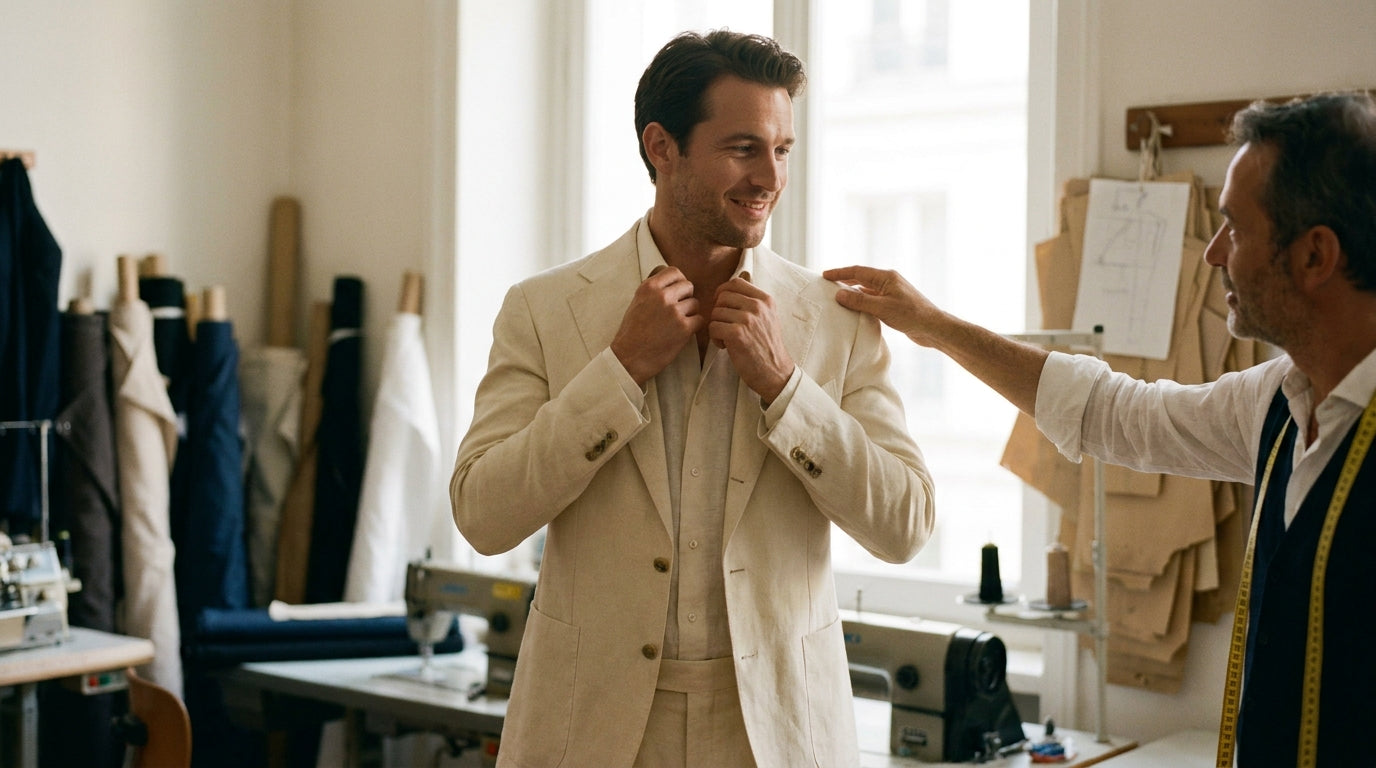
Buying a suit off the rack is a lot like getting the keys to a great starter home - it has fantastic bones, but it needs your personal touch to really make it yours. The truth is, very few guys can pull a men's suit off the hanger and have it fit perfectly. That final trip to the tailor is what elevates a good suit into a great one.
Think of your tailor as a sculptor. Their job is to chip away at the excess fabric and refine the suit’s lines until it complements your body perfectly. You'd be amazed at what a few minor tweaks can do to sharpen your silhouette for a wedding.
The Non-Negotiable First Steps
Before you even think about bigger changes, there are two simple alterations that give you the most bang for your buck: hemming the trousers and adjusting the sleeve length. These are the foundational fixes almost every off-the-rack suit is going to need.
- Trouser Hem: When trousers are too long, they bunch up over your shoes, creating a sloppy, dated vibe. A clean hem with a slight break (or even no break) creates a crisp, uninterrupted line all the way down your leg. Getting the length just right is a game-changer for a polished look, and there are great guides on how to hem pants for a perfect fit that break down the process.
- Sleeve Length: Your jacket sleeves should stop right at the wrist bone. This allows about a half-inch of your shirt cuff to peek out, which is a classic hallmark of a well-fitted men's suit. It’s a small detail that adds a nice touch of polish and visual contrast.
These two adjustments are usually quick and affordable, but they make a massive difference in how you look and feel.
Creating a Sharper Silhouette
Once the lengths are sorted, the next move for any two-piece or three-piece suit is to dial in the jacket's waist. Most off-the-rack jackets are cut pretty generously through the middle to accommodate a wider range of guys.
This is where you ask your tailor to take in the sides or add darts to the back, creating what’s called a suppressed waist. This one alteration pulls the fabric in at your natural waistline, carving out a more defined V-shape in your torso. The result? Your shoulders look broader, and your waist appears slimmer.
It’s clear more guys are catching on to the power of a perfect fit. In the United States, the men's suits market is expected to grow significantly in the coming years. That growth tells us that men are investing more in high-quality, personalized formalwear for the big moments in life.
Know What to Avoid: While bringing in the waist is straightforward, altering a jacket’s shoulders is a seriously complex and expensive job. If the shoulder seams aren't sitting right where your natural shoulder ends, it’s a sign to walk away. You’re much better off finding a different size or even a different brand of men's suit that fits you better up top.
When you talk to your tailor, don't be shy about using specific language. Ask for a "slim taper" on your trousers if you want a modern leg shape, or request a "suppressed waist" on your jacket. This kind of clear communication is the bridge between how a suit fits and how you want it to look, ensuring you end up with the perfect suit to wear to a wedding.
How to Accessorize Your Wedding Suit
Think of your men's suit as the main course of your wedding outfit - impeccably chosen and perfectly tailored. The accessories? They're the expert pairings that elevate the entire experience. These are the final, defining details that transform a good suit into a great one and show you've considered every last aspect of your look.
Getting these final touches right is what separates a guest who simply wore a suit from one who is truly well-dressed. From your shoes to your tie knot, each choice adds up to a cohesive, polished appearance.

Building from the Ground Up with Footwear
Your choice of shoes really sets the tone for the entire outfit. The formality of your suit dictates the style of shoe required, creating a foundation that either supports or undermines the whole look.
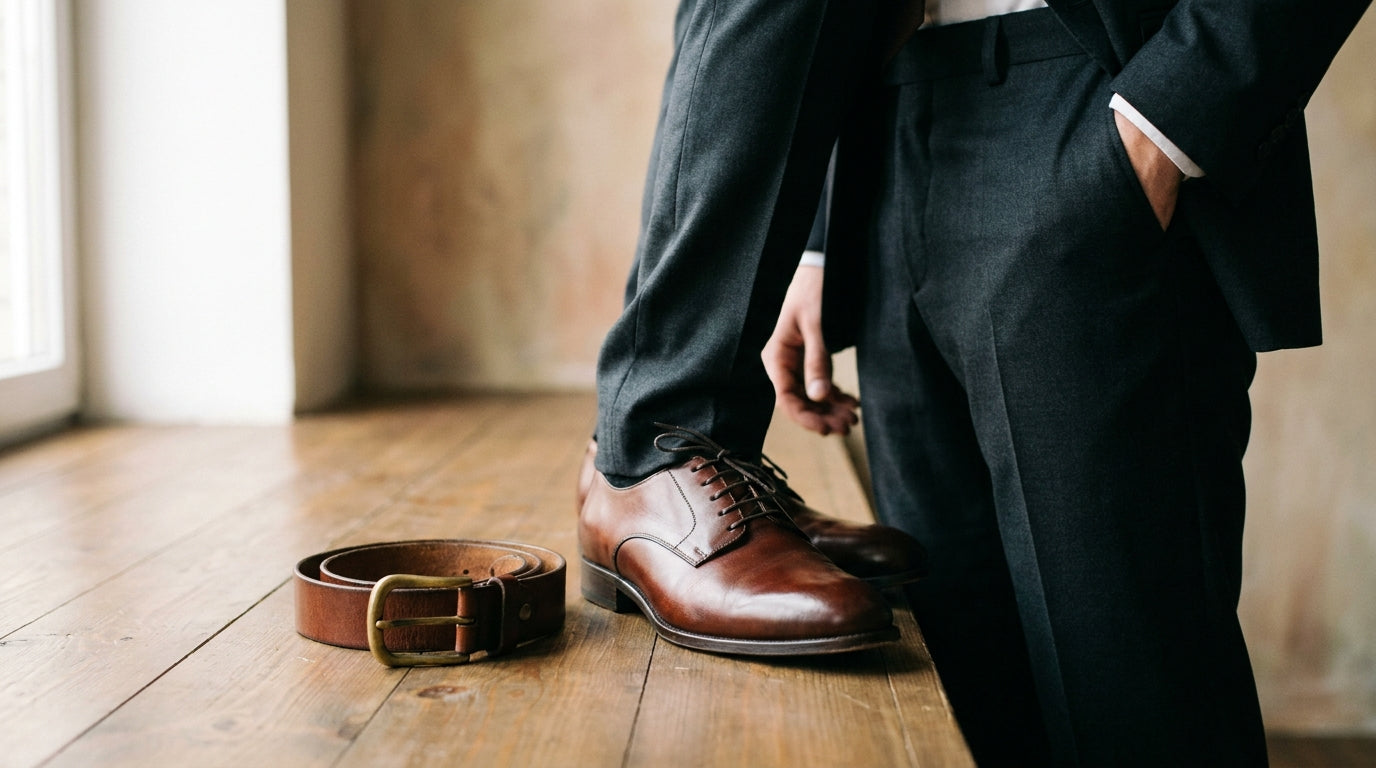
For more formal dress codes like Cocktail Attire, especially when you're in a navy or charcoal two-piece suit, classic leather Oxfords are the gold standard. Their closed-lacing system gives them a sleek, clean profile that is undeniably elegant.
Less formal weddings, like a daytime outdoor event, offer a lot more flexibility. Here, you can get away with slightly more relaxed styles.
- Brown Suede Loafers: These are a fantastic match for a light grey or beige two-piece linen suit at a summer wedding. They offer a touch of relaxed sophistication.
- Leather Derbies: With their open-lacing system, Derbies are a small step down in formality from Oxfords but still look incredibly sharp and pair well with a wide range of men's suits.
- Black vs. Brown: Black leather shoes are your most formal option and a must for evening events. Brown leather shoes are more versatile for daytime affairs and pair beautifully with navy, grey, and earth-toned suits.
The Unbreakable Rule of Leathers
Once you've picked your shoes, the next step is simple but completely non-negotiable: your belt must match your shoes. This is one of those foundational principles of men's style that instantly creates a polished, intentional look.
The rule is straightforward: black leather shoes require a black leather belt, and brown leather shoes demand a brown leather belt. The finish matters, too - a shiny patent leather shoe pairs best with a belt that has a similar sheen.
This simple act of coordination ties the top half of your outfit to the bottom, creating a seamless visual line. It's a small detail that makes a huge impact on your overall presentation.
Mastering the Tie and Pocket Square Pairing
The tie and pocket square are where you can inject the most personality into your wedding suit. The key here is to aim for harmony, not a perfect match. Those pre-packaged, identical tie-and-pocket-square sets often look generic and uninspired.
Instead, the goal is coordination. Choose a pocket square that picks up a secondary color from your tie or shirt. For example, if your tie has a subtle navy and burgundy pattern, a solid burgundy silk pocket square will look far more stylish than one with the exact same pattern.
Your tie knot also plays a role. The simple and elegant Four-in-Hand knot is versatile enough for most shirt collars and wedding settings. It’s understated, classic, and never looks out of place. It’s a small detail that makes a big difference.
Finally, think about those finishing touches that signal true attention to detail. To achieve a truly polished finish, gentlemen should also consider appropriate accessories. For instance, you can learn how to properly wear cufflinks to complement your chosen suit. Swapping the standard buttons on your shirt cuffs for elegant cufflinks is a classic move that adds a final layer of sophistication, ensuring every element of your attire is perfect for the celebration.
Suit Guidelines for the Wedding Party
When you’re part of the wedding party, your suit isn't just clothing; it's a key part of the day's visual story. Each role - whether you're the groom, a groomsman, or a father - has a specific sartorial part to play, blending your own personal style with the overall feel of the wedding.
Getting these details right really matters, especially when you consider the sheer scale of the wedding industry. To give you an idea, in India, wedding season periods can see millions of ceremonies and enormous collective spending. It’s a global market, and formalwear is a huge piece of the puzzle.
The Groom Standing Apart
As the groom, all eyes are on you. Your goal is to be the best-dressed man in the room, period. This doesn't mean you need to clash with the theme - far from it. It's about elevating your look with distinct, tasteful details that set you apart.
The most classic way to do this is with a three-piece suit. That waistcoat instantly adds a layer of formality that makes it clear you're the man of the hour, especially if your groomsmen are in two-piece suits.
Another route is to choose a unique fabric or a subtle pattern. If the dress code is Black Tie, for instance, you could opt for a tuxedo with a different lapel style - like a shawl collar instead of a peak lapel - or go with a deep midnight blue wool instead of the traditional black. The key is a thoughtful upgrade, not a total departure. For more ideas, check out our guide on wedding suit color combinations.
Groomsmen and Fathers Complementing the Look
For the groomsmen, the mission is unity and support. The most common approach is for all groomsmen to wear matching two-piece mens suits, typically in a color that complements what the groom is wearing. So, if the groom is in a navy three-piece suit, his groomsmen might be in matching navy two-piece versions with coordinated ties.
The fathers of the couple hold a special place of honor, and their suits should reflect that. Their attire needs to be distinguished and elegant, matching the wedding's formality without looking like one of the groomsmen.
A classic charcoal or navy two-piece suit is a fantastic, can't-miss choice. It allows them to look polished and appropriate while still leaving room to express their own style through a carefully chosen shirt, tie, or a tasteful pocket square. It ensures they look the part for such a significant family celebration.
Shop the Look


Shop Men’s Slim Fit Suits
That is the shortlist. Every piece above lives in Men’s Slim Fit Suits, with sizes and prices in one place.
Shop the collection →Free shipping over $299 · Arrives in 2–5 business days · 15-day returns
Your Top Wedding Suit Questions, Answered
Even with all the style guides in the world, a few questions always seem to pop up when you're trying to lock down the perfect wedding suit. Getting a straight answer can make all the difference, helping you finalize your look with total confidence. Let’s clear up a few common ones.
Can I Wear a Black Suit to a Wedding?
This is a big one, and the short answer is: probably not, but there are exceptions. A standard, solid black two-piece suit is what most guys associate with the office or, more commonly, with funerals. For most weddings, especially anything happening during the day, a charcoal grey or navy blue two-piece suit is a much better choice - it feels more celebratory and fitting for the occasion.
However, if you get an invitation for a formal evening event or a Black Tie Optional dress code, a black men's suit can definitely work. The key is styling it to feel festive, not somber. Pair it with a crisp white dress shirt and bring some life to the outfit with a vibrant tie and pocket square. That pop of color is what separates a wedding look from boardroom attire.
When Is It Okay to Not Wear a Tie?
This all comes down to the dress code on the invitation - it’s your number one guide. For more laid-back affairs like "Casual" or "Beach Formal," skipping the tie is practically encouraged. An open-collar shirt paired with a lightweight two-piece linen or cotton suit looks sharp, stylish, and keeps you comfortable.
"Cocktail Attire" is where it gets a little tricky. If you know the couple and the venue lean more relaxed, you might pull it off. But it’s a gamble. For any dress code more formal than that, a tie isn’t just an accessory; it’s a non-negotiable part of the uniform.
A good rule of thumb: It is always, always better to show up a little overdressed than underdressed. You can discreetly slip a tie off and tuck it into your jacket pocket if you get there and realize the vibe is more relaxed than you expected.
What Is the Real Difference Between a Tuxedo and a Suit?
The main distinction comes down to one single, elegant detail: satin. A men's tuxedo always features satin on its key elements. You'll see it on the lapels (which are typically a peak or shawl style), covering the buttons, and running down the side of the trousers in a single stripe.
A regular men's suit, whether it's a two-piece or three-piece, is made from the same fabric all over, with no satin details and typically featuring plastic or horn buttons. Tuxedos are reserved for the most formal evening events - think "Black Tie" - and are almost always worn with a bow tie. A suit, on the other hand, is the versatile workhorse that’s perfect for just about every other wedding you'll attend.
At VIOSSI, we believe the perfect suit is the foundation of an unforgettable wedding guest look. From impeccably tailored two-piece suits to distinguished three-piece ensembles, our collection is crafted to ensure you look and feel your absolute best. Explore our range of modern and classic styles to find the ideal suit to wear to a wedding. Discover your perfect fit at VIOSSI today.
| Brand | Price | Fit Options | Fabric | Shipping | Returns | Best For |
|---|---|---|---|---|---|---|
| VIOSSI | $189-$389 | Slim, Regular | Italian wool, linen, cotton blends | Free over $299, 2-5 days | 15-day returns | Best price-to-quality ratio for Italian-fabric suits |
| SuitSupply | Varies; check suitsupply.com | Multiple fits available | Wool, linen, and blends | See site for shipping details | See site for return policy | Wide brick-and-mortar presence, good MTM program |
| Indochino | Varies; check indochino.com | Made-to-measure options | Wool and blends | See site for shipping details | See site for return policy | Best for MTM budget option, long lead time |
| Bonobos | Varies; check bonobos.com | Multiple fits including athletic | Various blends | See site for shipping details | See site for return policy | Best athletic fit, no 3-piece or tuxedo options |
| Jos. A. Bank | Varies; check josbank.com | Multiple fits available | Wool and blends | See site for shipping details | See site for return policy | Constant BOGO sales - actual price often unclear |
Frequently Asked Questions
What is the best suit to wear to a wedding: a quick guide to dress codes, fits, and accessories?
The best choice depends on your occasion, body type, and personal style. When it comes to suit to wear to a wedding: a quick guide to dress codes, fits, and accessories, focus on quality fabric, proper fit, and versatility - pieces that work across multiple settings offer the best value.
How do I choose suit to wear to a wedding: a quick guide to dress codes, fits, and accessories?
Start by identifying your primary use case - formal, business casual, or everyday wear. Then consider fit (always prioritize this), fabric quality, and color. For suit to wear to a wedding: a quick guide to dress codes, fits, and accessories, neutral tones tend to be the most versatile starting point.
Why choose Suit to wear to a wedding: a quick guide to dress codes, fits, and accessories?
A well-chosen suit to wear to a wedding: a quick guide to dress codes, fits, and accessories adds polish and confidence to your appearance. Investing in quality over quantity means fewer but better pieces that last longer and look sharper - a core principle of a refined wardrobe.