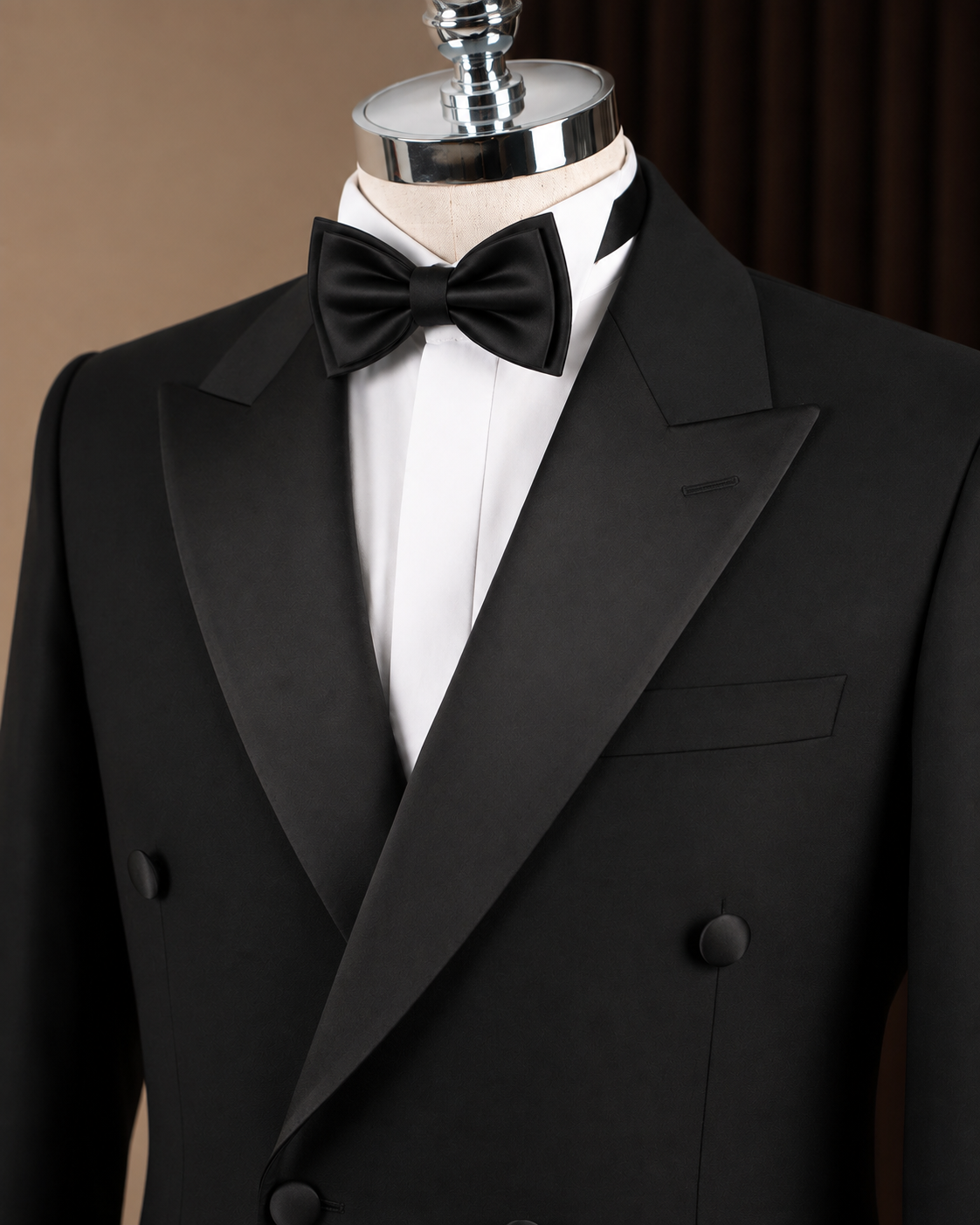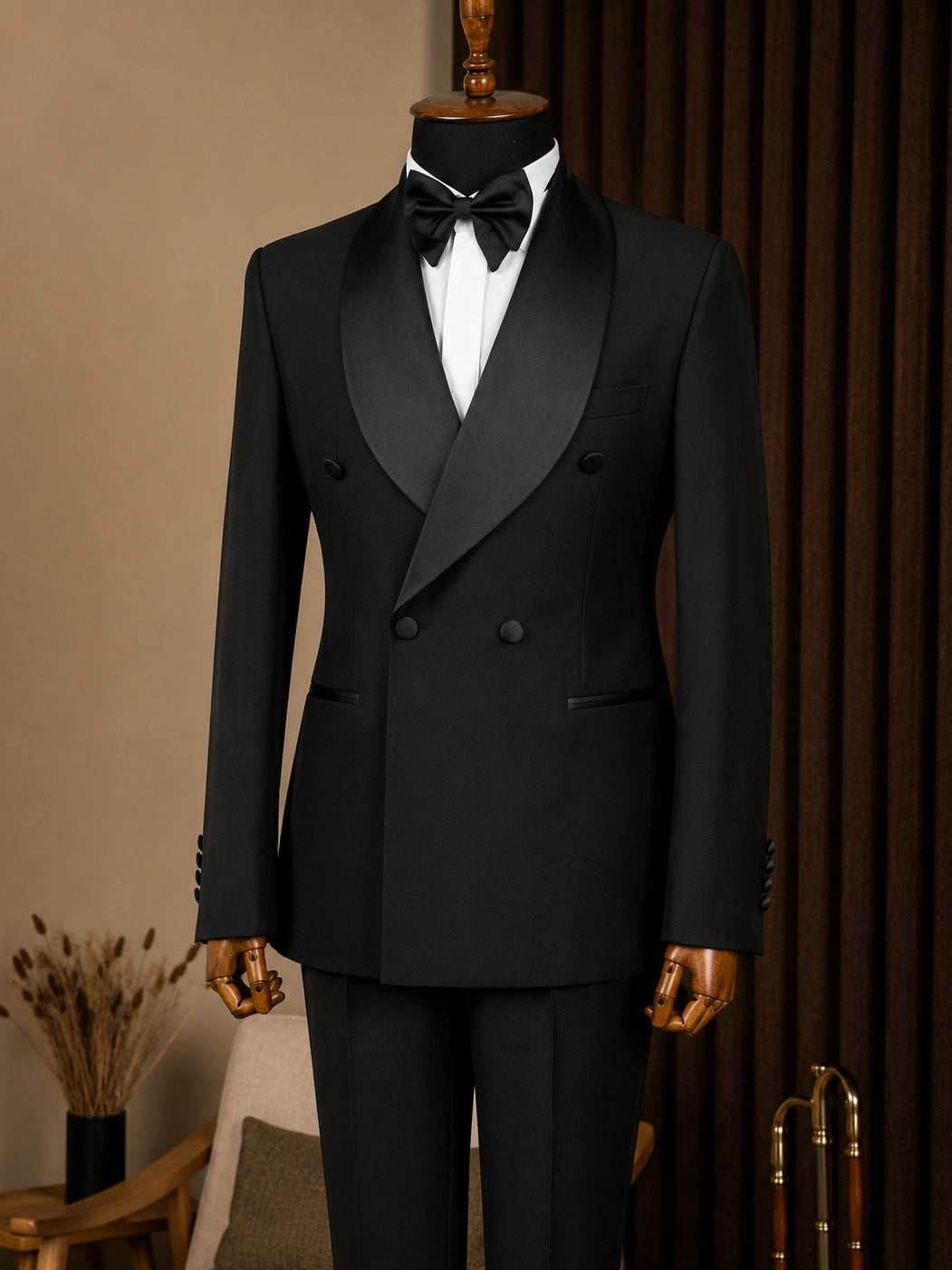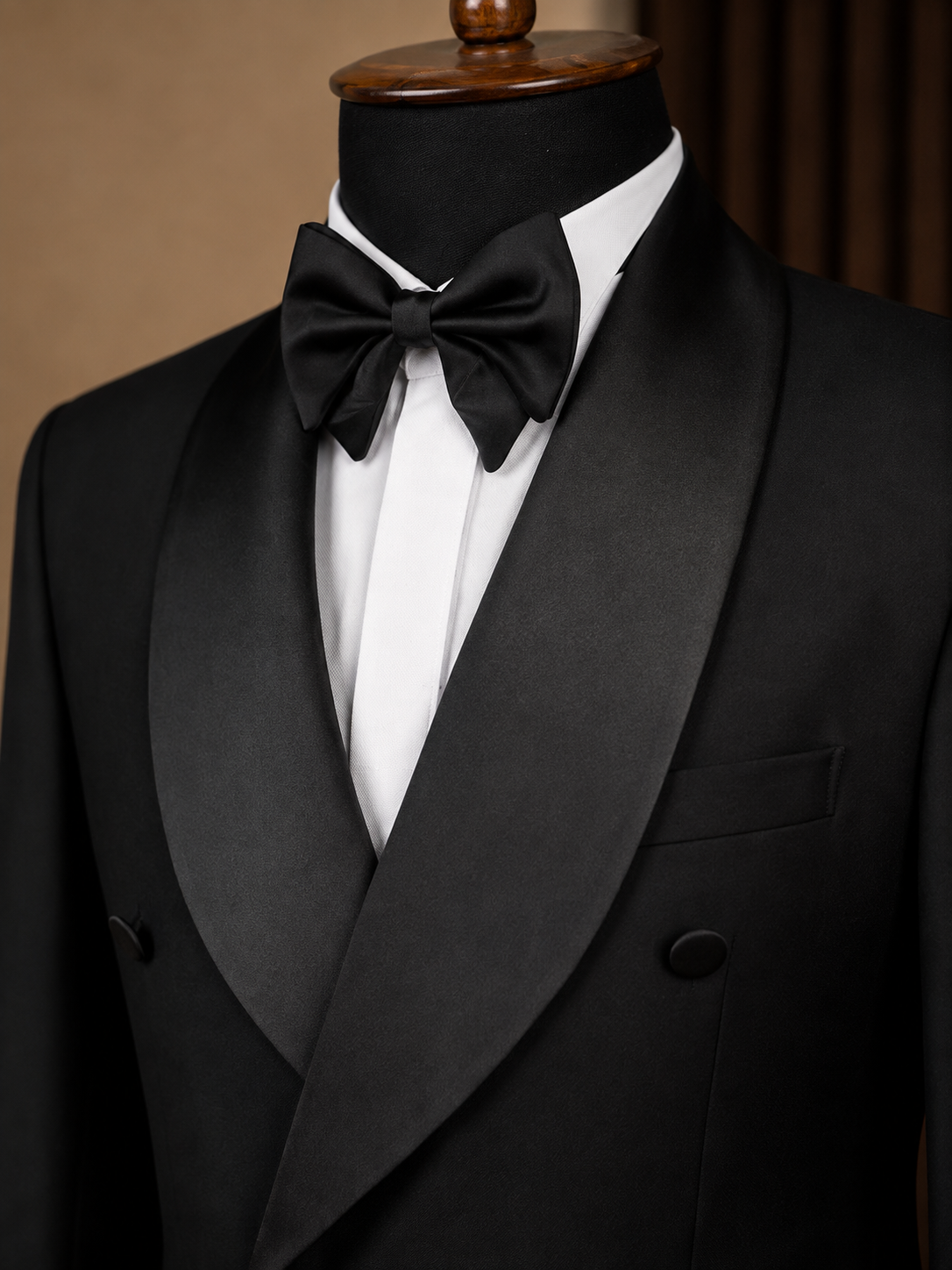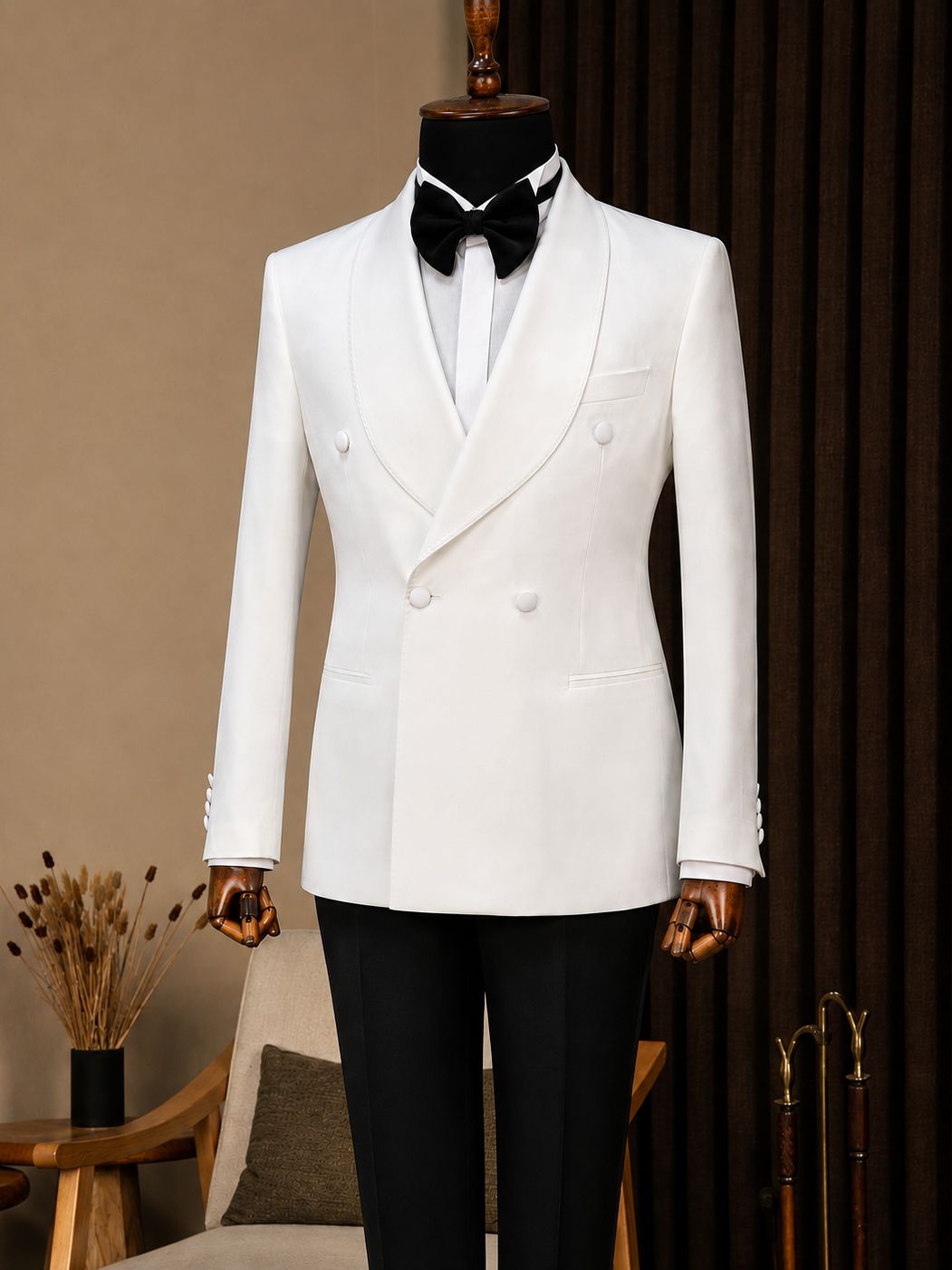


For a nursing interview, wear business professional or business casual: a well-fitted two-piece suit in navy, grey, or beige, paired with a pressed dress shirt and leather dress shoes. Skip scrubs entirely. The goal is to look composed and competent before you say a word, which means clean lines, neutral colours, and nothing that distracts the panel.
Why the Dress Code for a Nursing Interview Is Business Professional, Not Scrubs
Scrubs are for the floor. They signal that you are ready to work, not that you are ready to be evaluated for a position. A nursing interview is a formal professional assessment, and the dress code that fits that context is business professional or, at minimum, business casual depending on the facility. That distinction matters and is worth spelling out.
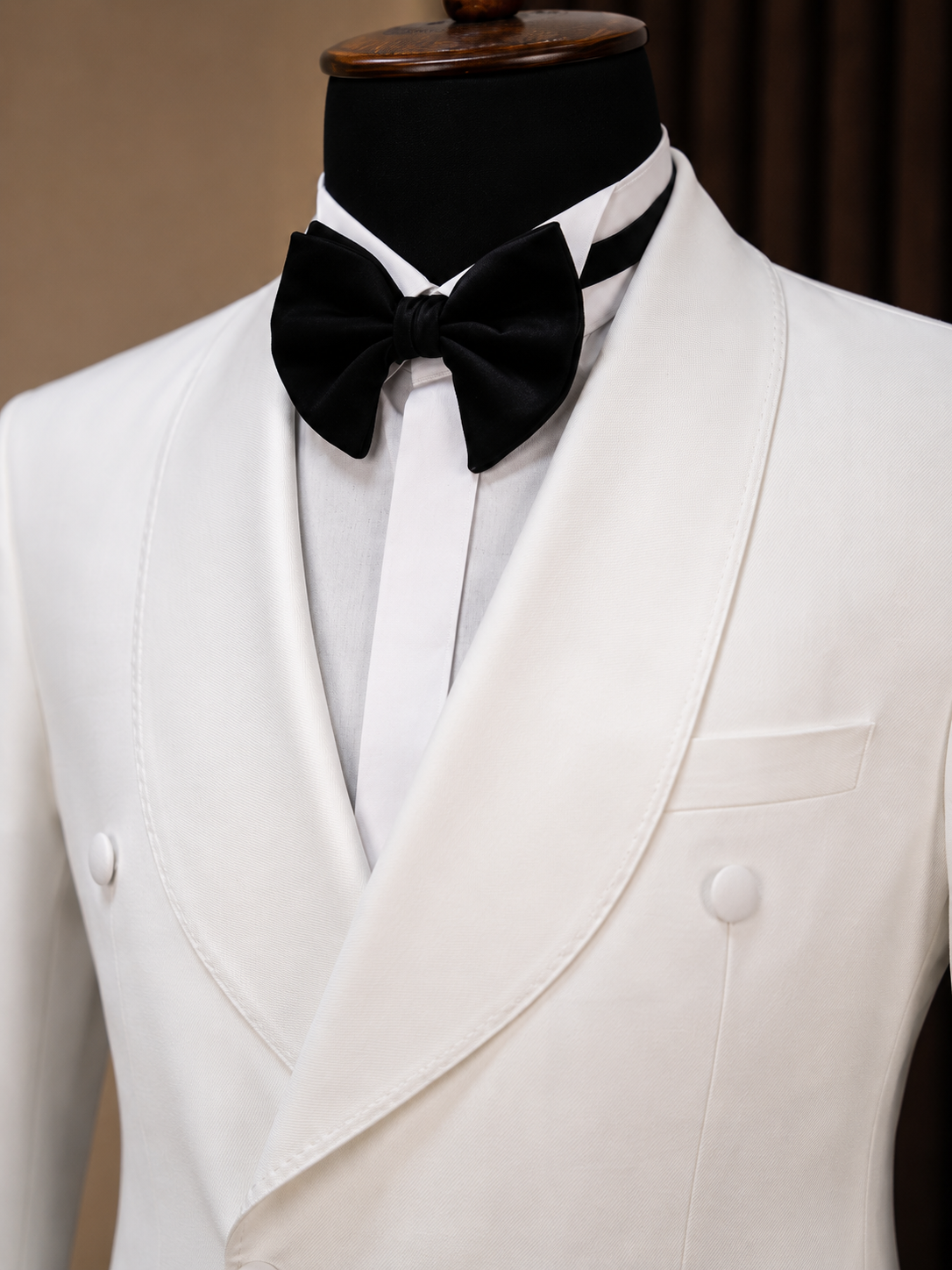
Business professional in a healthcare hiring context means: a suit jacket with matching trousers, a pressed dress shirt, a tie (optional but rarely wrong), and closed-toe leather dress shoes. Business casual relaxes the matching requirement and allows a blazer over chinos or dress trousers, still with a collared shirt. What it does not include, under either label, is denim, sneakers, printed tees, or anything you would wear to a weekend brunch.
The logic is straightforward. Hiring managers in hospitals and clinical environments are assessing your judgment, your attention to detail, and your professionalism before you have demonstrated any of those things clinically. How you present yourself to the interview panel is the first data point they have. Arriving in a well-fitted suit with clean lines communicates that you understand the weight of the occasion. Arriving in scrubs, however clean, communicates that you did not.
One more thing: the clinical environment tends toward conservative aesthetics. That is not a reason to dress like you are going to a funeral, but it is a reason to keep the colour palette grounded and the silhouette uncluttered.
Shop Single-Breasted Suits
Still deciding? The full Single-Breasted Suits range is on our site, in the sizes we stock.
Shop the collection →Free shipping over $299 · Arrives in 2-5 business days · 15-day returns
The Suit Colours That Work for a Nursing Interview and the Ones That Do Not

Shop now →
Navy, grey, and charcoal are the three colours that do not require justification in a healthcare interview room. They project authority without aggression, which is exactly the register you want when meeting a nurse manager or director of patient care for the first time.
Medium grey, specifically, is underestimated. A grey single-breasted two-piece suit in a slim or tailored fit reads as composed and approachable simultaneously, which is a tone nursing leadership responds to well. Pair it with a white or pale blue dress shirt and black Oxford shoes, and there is nothing in that outfit that works against you. The VIOSSI Grey Single Breasted Suit 2-Piece handles exactly this combination without overcomplicating the silhouette.
Beige and camel are acceptable and project a slightly warmer, less corporate tone. They work well for community health settings, outpatient clinics, and facilities with a more collaborative culture. Beige reads less austere than charcoal, which can be an asset depending on the facility's vibe. The VIOSSI Beige Slim-Fit Suit 2-Piece in a slim cut sits in that professional-but-approachable range without veering into casual territory.
What to avoid: bold patterns, strong checks, windowpane in large scales, and anything in burgundy or olive as a full suit. A subtle pinstripe is fine. A wide chalk stripe draws attention to itself in a way that distracts from what you are saying. That is not a theoretical concern, it is simply how visual attention works in a room.
Shop the Look


Suit or Blazer: Which One to Wear to a Nursing Interview
Shop now →
A matching suit jacket and trouser is always the more authoritative option. If you are interviewing for an RN position at a large hospital system, a teaching hospital, or any institution with a hierarchical structure, a two-piece suit from the VIOSSI two-piece suits range is the appropriate call. It signals that you understand formality, which counts for something in environments where titles and protocols matter.
A blazer over dress trousers is a defensible choice for smaller clinics, urgent care settings, home health agencies, or second-round interviews where the culture has already been established as less formal. The key is that the blazer must be structured, not unlined and floppy, and the trousers must be tailored-fit dress trousers, not chinos in a heavy fabric that happen to look trouser-ish. The distinction matters because one combination reads as deliberate business casual, and the other reads as a man who could not decide.
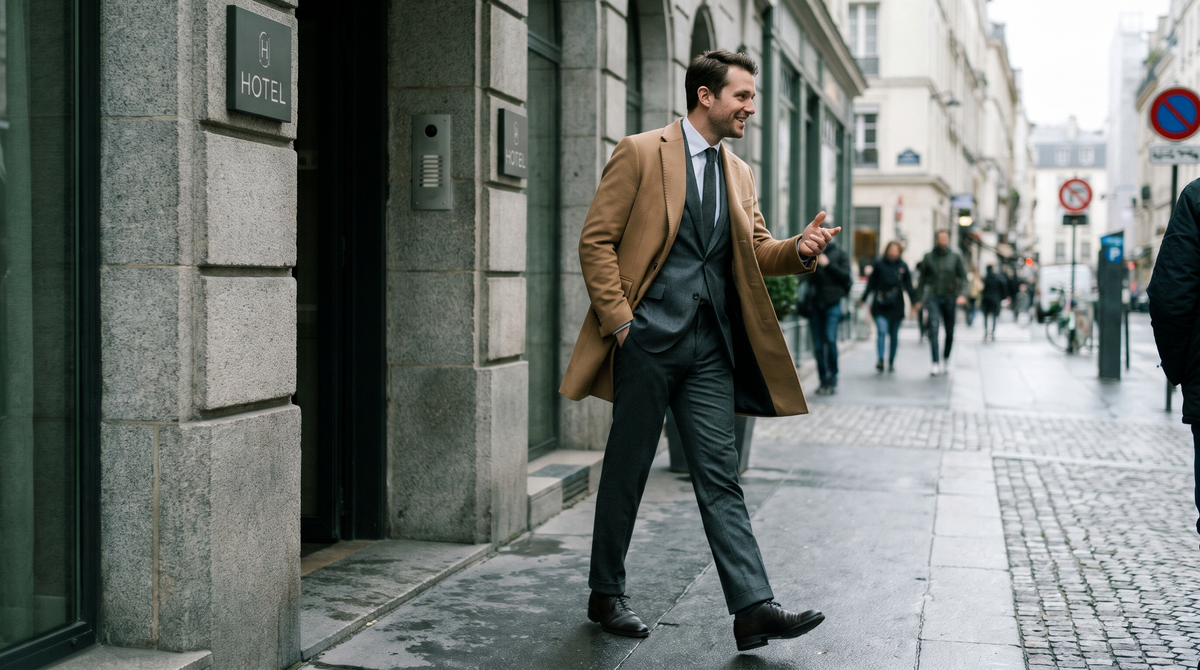
The Camel Single Breasted Blazer worn with mid-grey dress trousers and a white spread-collar shirt is a coherent business casual outfit for a nursing interview at a clinic or outpatient setting. It is specific enough to look considered, relaxed enough to not feel out of place in a small practice's conference room.
Three-piece suits, like the VIOSSI Blue Slim-Fit Suit 3-Piece, are a valid choice if you want to project additional formality, particularly for senior or charge nurse positions, management roles, or interviews at private hospitals where the culture skews more formal. The waistcoat keeps the silhouette tight and polished even when the jacket comes off.
The Complete Outfit Formula for a Nursing Interview
Top: a pressed dress shirt, solid or with a fine texture (micro-check is acceptable, broad stripe is not), in white, pale blue, or light grey. Collar should lie flat, which means ironing the collar points. If you skip this step, the shirt reads as slovenly regardless of how good the suit is.
Bottom: matching suit trousers in a tailored fit with a half-break on the shoe, meaning the trouser hem just grazes the top of the shoe without pooling. A full break adds visual weight to the lower half and makes a fitted suit look slightly unkempt.
Shoes: black cap-toe Oxfords or dark brown Derby shoes in full-grain leather. Clean and polished. Not suede, not loafers, not Chelsea boots in a fashion-forward silhouette. The cap-toe Oxford is the least controversial shoe you can wear to any professional interview in any industry, healthcare included.
Belt: match the shoe leather. Black shoes with a black belt, brown shoes with a brown belt. This is not a stylistic flourish, it is a basic visual rule that people notice when it is broken, even if they cannot articulate why.
One accessory: a plain knitted tie or a fine-woven silk tie in navy, burgundy, or charcoal. No novelty prints. No cartoon motifs. If you are interviewing at a pediatric unit and think a fun tie communicates personality, it does, but it communicates the wrong kind of personality for the interview stage specifically.
What to leave at home: cologne in any quantity strong enough to be detectable from across a desk, a pocket square folded in a TV fold that adds visual noise, and a watch that is larger than 42mm in diameter. Clinical environments tend toward sensory neutrality, and showing up smelling like a department store fragrance counter is a faster way to lose points than you might expect.
What to Wear on a Nursing Interview When You Want to Look Comfortable and Polished
Comfort in professional dressing is almost entirely a fit problem. Men reach for looser clothes when they feel restricted, and they feel restricted because the garments do not fit correctly, not because suits are inherently uncomfortable. A slim-fit suit jacket that accommodates shoulder width properly and does not bunch at the armhole is more comfortable to wear for two hours than a boxy ill-fitting one, because it moves with the body rather than against it.
Fabric matters here too. A wool-blend suit in a medium weight, around 220-280 grams per linear metre, moves well, resists wrinkling during a commute, and breathes sufficiently for an indoor interview environment. Pure polyester suits restrict airflow and tend to look slightly shiny under fluorescent lighting, which is not an association you want. If the suit jacket has a half-canvas or full-canvas construction, it will conform to the torso over time and become genuinely more comfortable to wear, not less.
If a full suit feels like too much, a structured blazer over dress trousers with a solid dress shirt hits the professional target while giving slightly more range of motion. The structure of the blazer is what maintains the professional read, so do not substitute an unstructured sport coat and expect the same result.
Nursing Interview Dress for Specific Settings: Hospital vs. Clinic vs. Surgical Unit
Not every nursing role carries the same formality expectations, and that affects what you choose to wear.
Large hospital systems, academic medical centres, and Level I trauma centres tend toward more formal interview processes. Full two-piece suit from the single-breasted suits range, white shirt, leather Oxfords. That combination is correct at every major hospital in the country without adjustment.
Community clinics, outpatient surgery centres, and home health agencies run less formal interviews. A navy blazer with charcoal dress trousers and a pressed white shirt is appropriate and will not read as overdressed. It signals respect for the occasion without making a small clinical office feel like a courtroom.
Surgical or procedural units sometimes interview at odd hours or in the clinical space itself. If the interview is on the floor, business casual is still correct for the interview portion, even if they then tour you through a sterile environment afterward. You are not dressing for the tour. You are dressing for the panel.
What We Would Pick
- Grey Single Breasted Suit 2-Piece: the safest, most versatile choice for a hospital or clinic interview, medium grey reads as neither too severe nor too relaxed, and the single-breasted notch lapel keeps the silhouette conventional enough to not distract.
- Blue Slim-Fit Suit 3-Piece (new arrival): for senior nursing roles or management-track positions where you want to project additional formality, the waistcoat adds structure and keeps the look together even in a long interview day.
- Camel Single Breasted Blazer: the right call for outpatient and clinic settings where a full matching suit might feel slightly heavy for the room, wear it with mid-grey dress trousers and a white shirt and it lands exactly where smart casual is supposed to.
Interview Etiquette Rules That Affect What You Wear
One rule that tends to get overlooked: test the outfit before the day. Sit in it, stand up, extend your arm to shake a hand. A suit jacket that rides up dramatically when you raise your forearm is a fit problem that becomes a distraction in the room, and you will not notice it until you are already in the chair.
Keep the jacket buttoned when standing and meeting the panel. Single-breasted jackets with two buttons: button the top one, leave the bottom undone. Always. This is not a stylistic preference, it is a construction rule, the bottom button on a single-breasted jacket is not meant to be fastened because doing so distorts the front of the jacket and pulls the vents out of alignment. It looks wrong because it structurally is wrong.
Trouser crease. Iron one in, or have the trousers pressed. A sharp front crease on a dress trouser is a finishing detail that takes five minutes and adds a level of polish that most candidates skip. That gap in effort is visible.

Shop now →
If you are carrying a portfolio or documents, use a slim leather folio or a structured briefcase in black or dark brown. A backpack, even a sleek one, undercuts the suit. A plastic folder from a stationery shop undercuts it further. The accessories have to hold the same register as the suit, otherwise the whole outfit reads as incomplete.
One genuinely useful detail that most guides skip: the collar gap. When you button your shirt collar and knot a tie, check in a mirror that the collar points are lying flat and the tie knot sits flush against the collar without leaving a gap between the tie and the shirt band. This gap, common when the shirt collar is slightly too large for the neck, makes an otherwise correct outfit look dishevelled. If the collar is too large, a collar stay (a small metal bar slid into the underside of the collar point) keeps it flat. It is a two-dollar fix that makes a fifty-dollar difference in how the whole look reads from across a table.
Shop Single-Breasted Suits
That is the shortlist. For more options, browse Single-Breasted Suits, with sizes and prices in one place.
Shop the collection →Free shipping over $299 · Arrives in 2-5 business days · 15-day returns
For further reference on professional dressing standards, the style desk at GQ and the Esquire style section both cover interview dressing in depth.
Whatever the facility, the outfit you choose for a nursing interview should require no explanation and create no distraction. A clean, well-fitted suit in a neutral colour does exactly that.
Frequently Asked Questions
Should I wear scrubs to a nursing interview?
No. Scrubs are clinical workwear, not interview attire. Wear business professional or business casual for any nursing interview, regardless of the facility type.
What is the right dress code for a nursing interview?
Business professional is the standard for hospital and large health system interviews. Business casual is acceptable for smaller clinics and outpatient settings, provided the blazer and trousers are properly tailored and the shirt is pressed.
Is a suit too formal for a nursing interview?
Rarely. Being slightly overdressed for a nursing interview carries almost no professional risk, while being underdressed carries significant risk. A well-fitted two-piece suit in grey or navy is appropriate across virtually every clinical setting.
What colour suit should I wear to a nursing interview?
Navy, medium grey, and charcoal are the three most appropriate colours. Beige and camel work in less formal settings. Avoid bold patterns, strong checks, and anything in a colour that draws attention to itself rather than to you.
What shoes should I wear to a nursing interview?
Black cap-toe Oxford shoes are the most versatile and least controversial option. Dark brown Derby shoes are acceptable in business casual settings. Avoid suede, loafers, and Chelsea boots for the interview stage.
Can I wear a blazer instead of a full suit to a nursing interview?
Yes, for smaller clinics, outpatient settings, and community health roles. The blazer must be structured and properly fitted, paired with tailored dress trousers and a pressed collared shirt. A matching two-piece suit remains the stronger choice for large hospital interviews.
Seen on Instagram
Photos people shared and tagged @viossisuits.