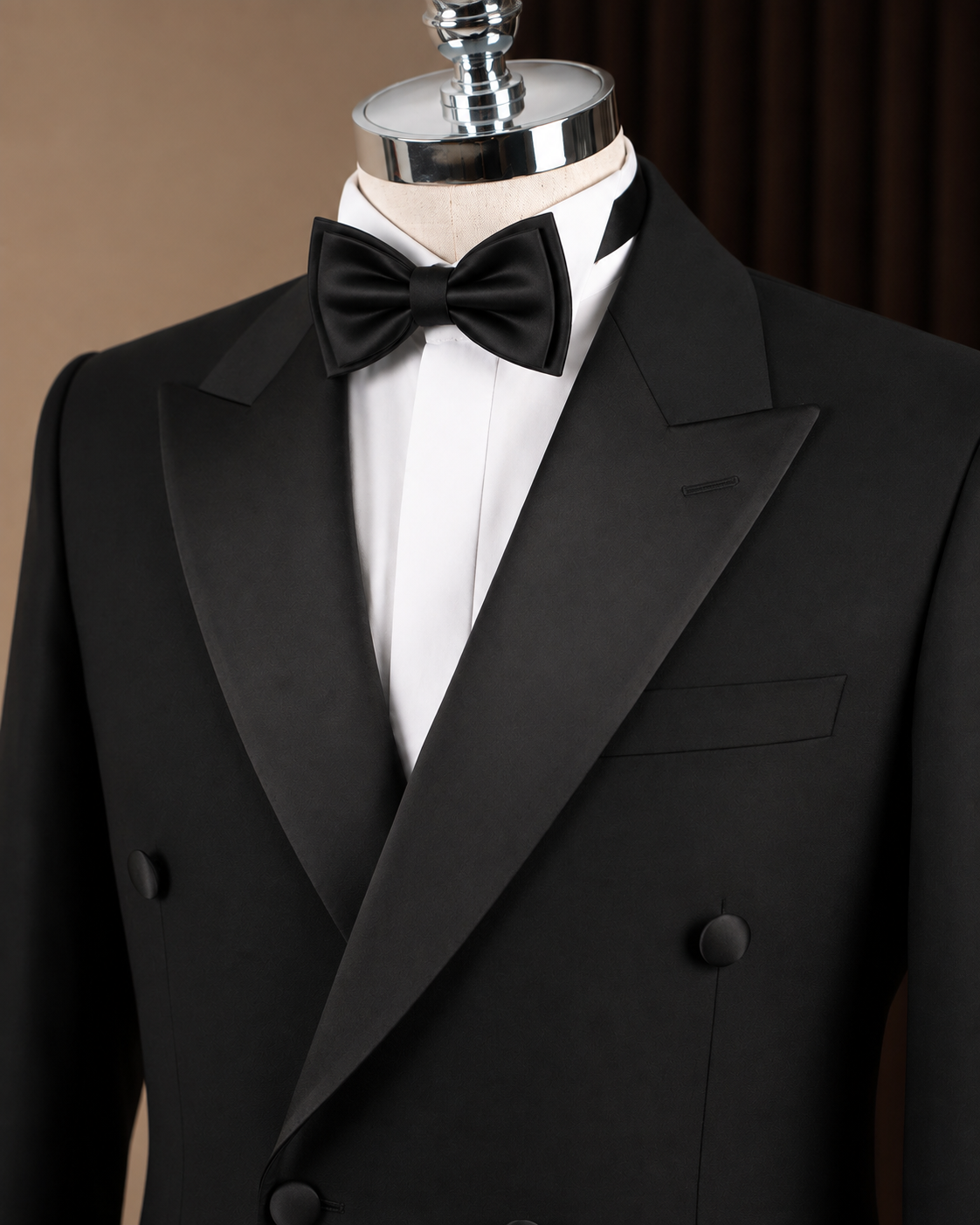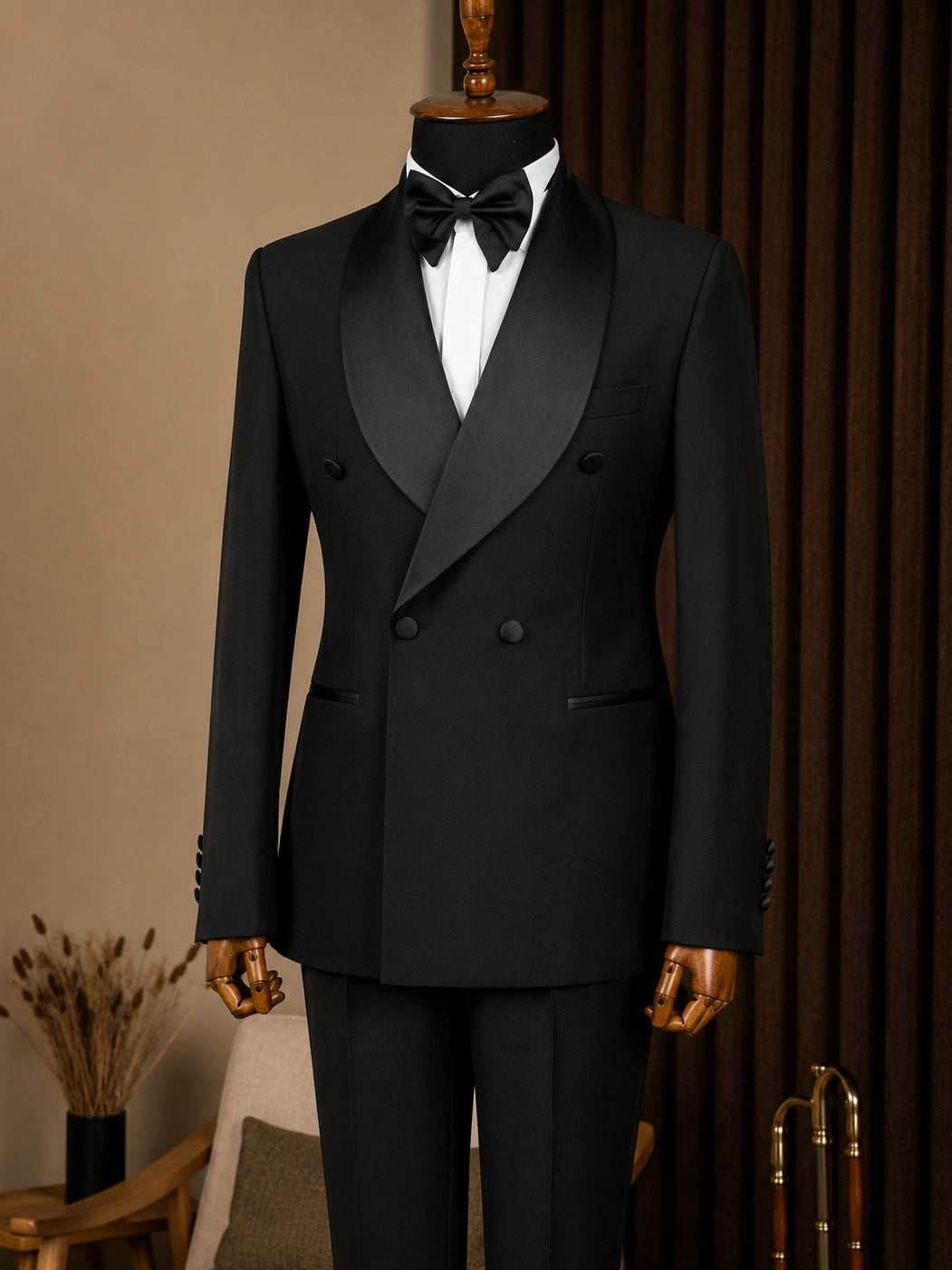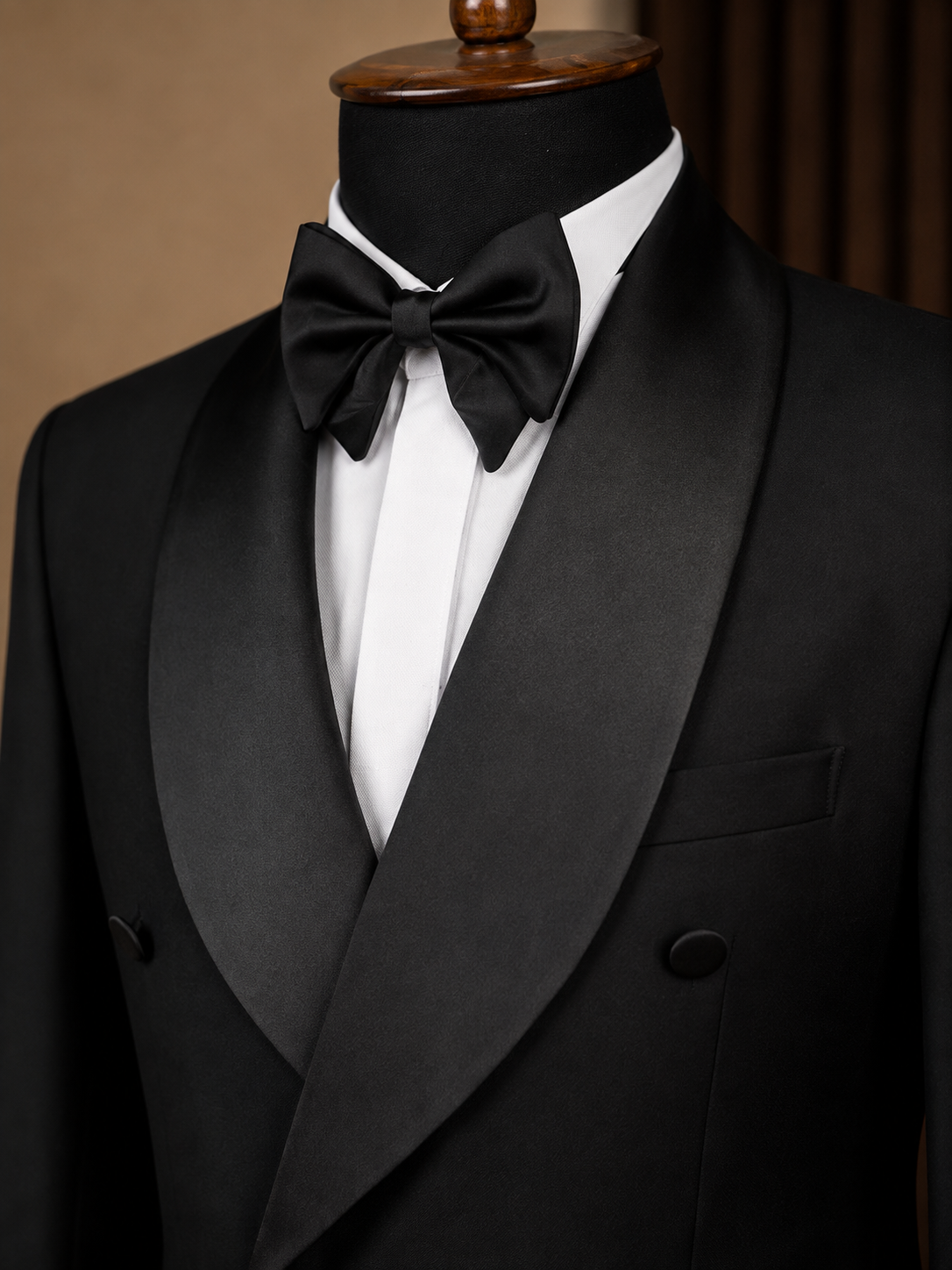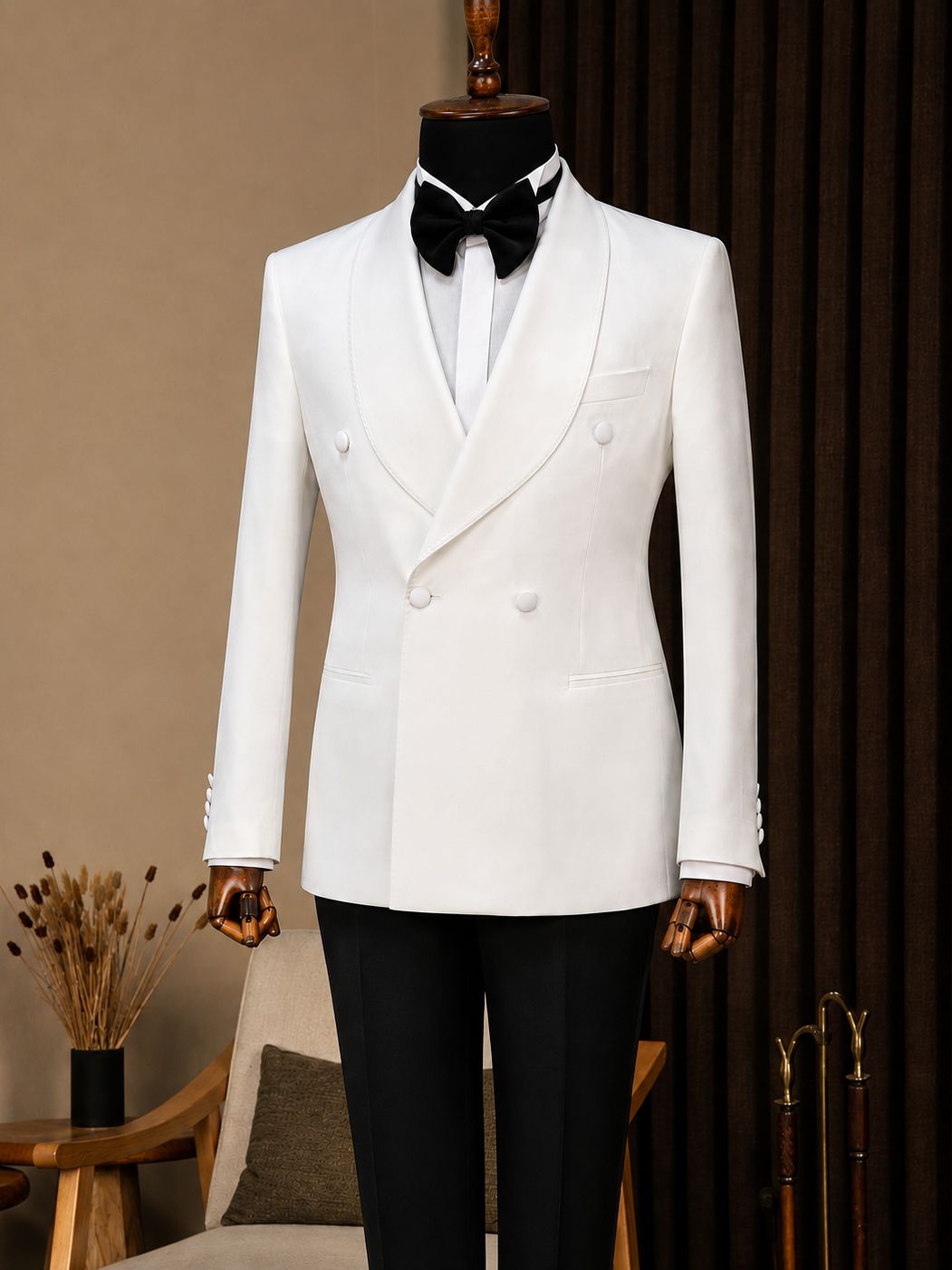

The core mens suit styles are: single-breasted slim fit, double-breasted, Italian-cut, and tuxedo. Each serves a different occasion - slim fit for business and weddings, double-breasted for formal events and bold dressing, Italian cut for effortless structure, and tuxedo for black-tie. Match the cut to the event before you think about color.
The Italian Cut: Soft Shoulders, High Gorge
The Italian suit is built on a specific set of tailoring choices, not a vibe. High gorge on the lapel - meaning the point where the lapel meets the collar sits closer to the collarbone than you'd find on British or American cuts. The shoulders are soft, lightly padded or unpadded entirely. The chest has drape. The waist suppression is there but not aggressive. The result is a jacket that moves with you rather than holding a rigid shape around you.
Fabric matters more here than in any other suit style. Italian tailors - particularly in Naples and Milan - use lighter wool, open weaves, and occasionally silk blends that respond to body heat and develop character over time. A full-canvas construction is standard at any serious price point. Fused interlinings are what separate a "made in Italy" label from an actual Italian suit.
When to wear it: business formal, client dinners, destination weddings in warm climates. The soft shoulder and drape make an Italian-cut suit one of the few formal options that doesn't look stiff in outdoor settings. Pair with a spread-collar shirt, no pocket square unless it's very casual, and a plain-toe oxford.

Shop now →
Shop Men’s Slim Fit Suits
Still deciding? The full Men’s Slim Fit Suits range is on our site, in the sizes we stock.
Shop the collection →Free shipping over $299 · Arrives in 2-5 business days · 15-day returns
Blazer vs Suit Jacket: Not the Same Thing
A blazer is not a suit jacket. This distinction collapses constantly and it causes real problems - specifically, showing up to a formal event in separates that look like separates.
A suit jacket is cut as part of a matched set, with the trouser fabric woven to the same lot so the color is identical. A blazer is a standalone jacket, typically in navy, camel, or a textured cloth like hopsack or tweed, worn with non-matching trousers - usually grey flannel, cavalry twill, or dark chinos. The blazer suit combination works at smart casual dress codes: think client lunches, gallery openings, weddings where the invitation says "festive attire" rather than black tie. Put a navy hopsack blazer over mid-grey trousers, a white spread-collar shirt with no tie, and brown loafers. That's a complete outfit, not an approximation of one.
The error most men make is treating a blazer suit as a downgrade from a full suit. It isn't. It's a different category. Use it intentionally.
Shop the Look


Choosing a Wedding Suit: Groom, Party or Guest
Wedding suit choices come down to one thing first: are you the groom, a guest, or a member of the wedding party? Those three roles have different constraints.
For guests, a mid-blue or mid-grey single-breasted two-piece in a wool or wool-blend fabric handles the vast majority of wedding dress codes from spring through autumn. Black is generally avoided - it reads as funeral in daylight - unless the invitation explicitly specifies it. Beige and cream work in summer and warm climates but require confident styling; a beige suit with the wrong shirt color goes beige all over. For winter weddings, a charcoal or deep navy in a heavier wool is appropriate and practical.
For grooms: the VIOSSI Men's Slim Fit Suits collection is where to start if you want a fit that photographs well without looking costume-y. Slim cut, structured shoulder, mid-rise trouser. Wear it with a white spread-collar shirt, no pattern, and a tie that's darker than the shirt.
One genuinely useful detail that gets skipped: break length. The trouser break - how much the fabric stacks on the shoe - should be minimal for a wedding, ideally a quarter-break or no break at all. Full or half-break reads as off-the-rack and slightly casual in photographs, even when the suit itself is excellent.
The Double-Breasted Suit: Lapels and Length
The VIOSSI double-breasted suit sits in a different category from most DB options at this price point because the lapel width is calibrated to the jacket length - wide peaked lapels on a cropped double-breasted jacket look borrowed from the wrong decade, and that's a fit decision most brands don't make intentionally. The VIOSSI Men's Double-Breasted Suits collection includes structured options in grey, navy, and beige, each cut with a suppressed waist and a button stance that sits at the natural waist rather than floating too high or dropping too low.
Double-breasted suits are not inherently more formal than single-breasted. They're more structured and they carry more visual weight. That distinction matters: a DB in grey flannel at a board meeting reads as authority; the same DB in beige linen at a garden party reads as confident. The cut doesn't change - the fabric does all the contextual work.
The Grey Double Breasted Suits for Men from VIOSSI are the entry point if you're wearing a DB for the first time. Grey is more forgiving than navy on body shape, and it pairs with a wider range of shirt colors, from white to pale blue to soft pink.
The Slim-Fit Tuxedo for Black-Tie Optional

Shop now →
A slim fit tuxedo suit is the correct answer to most black-tie optional invitations. Black-tie optional does not mean "wear whatever" - it means the organizer has acknowledged that not everyone owns a tuxedo, not that a suit and tie is equivalent to one. Show up in a slim tuxedo and you've solved the dress code without overthinking it.
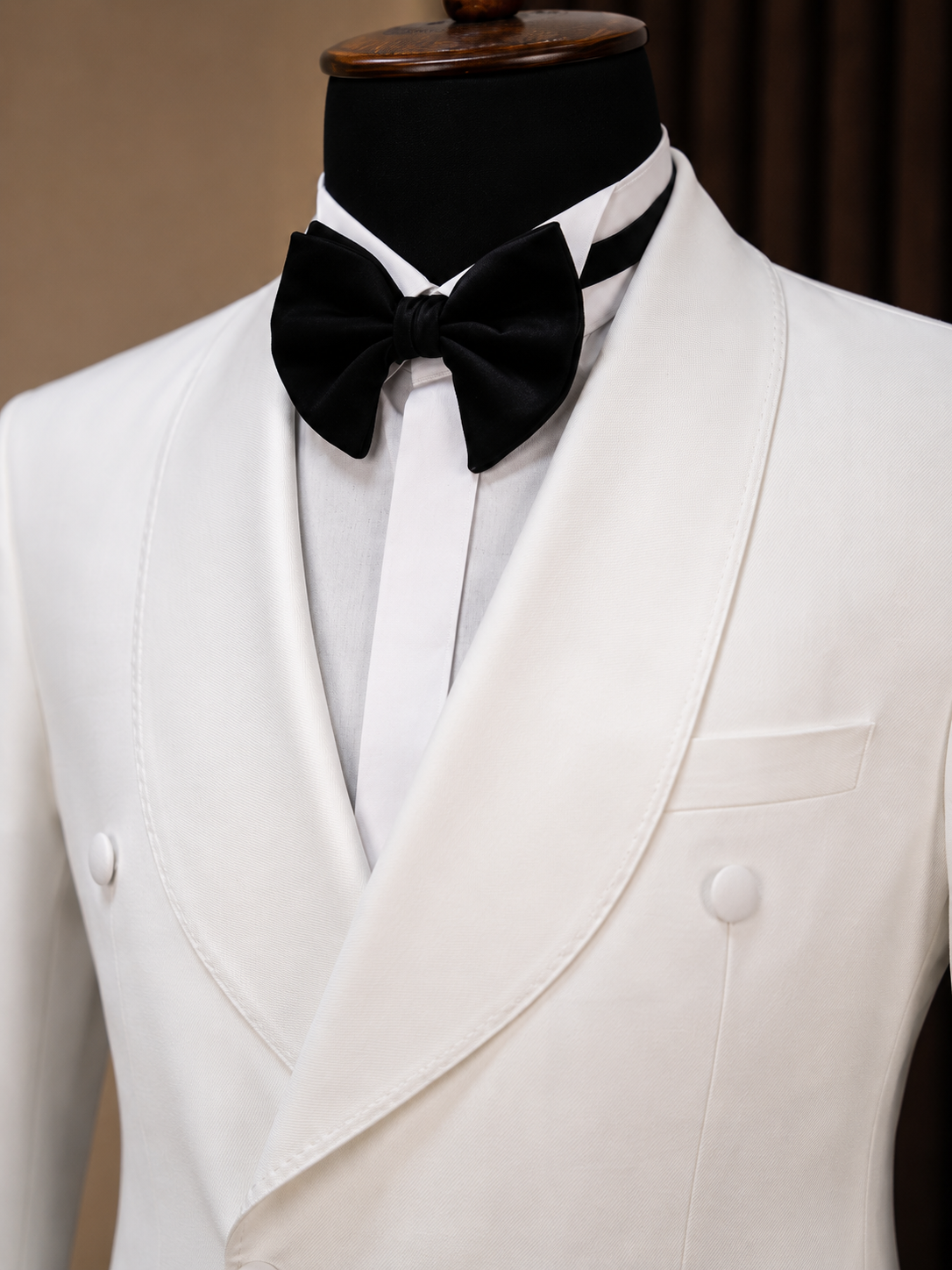
The technical requirements: satin or grosgrain on the lapels (shawl or peak, not notch - a notch lapel on a tuxedo is a common mistake that immediately reads as a suit dressed up rather than an actual tuxedo), a matching trouser with a single satin stripe down the outseam, and no breast pocket handkerchief. The shirt should be white with a bib front or a subtle pleated front. Black silk or satin bow tie, worn tied - not pre-tied.
The VIOSSI slim fit tuxedo options in velvet - specifically the Black Velvet Slim-Fit Tuxedo 3-Piece - work because velvet absorbs light in a way that makes the fit read cleaner than it actually needs to be. Slight fit imperfections disappear in velvet. It's also the only fabric where wearing a tuxedo in a non-black color, like the Bordeaux, reads as deliberate rather than unconventional. See GQ's style coverage for a broader breakdown of black-tie dress code nuances.
Houndstooth in Brown: Pattern Without the Noise
Brown houndstooth is one of the most underused patterns in men's suits, which makes it one of the more interesting choices right now. The pattern has a built-in visual interest that eliminates the need for a complex tie or pocket square - solid brown tie, white shirt, tan or cognac oxford. Done.
Fabric is everything with houndstooth. In a tight wool weave - or better, flannel - the pattern reads as textured rather than loud. In a synthetic or loose weave, it reads as a costume. The pattern scale matters too: large-scale houndstooth on a suit jacket is a statement piece; small-scale houndstooth on a full suit reads closer to a textured solid from any distance greater than three feet. Most men want the small-scale version.
Best worn: autumn and winter. Business casual to business formal depending on how you style it. Not appropriate for black-tie events.
Black Suit or Morning Coat?
When men search "black coat suit for men" they're usually looking for one of two things: a formal black suit (two-piece, peaked or notch lapel, dress trouser) or a morning coat for a formal daytime event. These are different garments with different rules.
A black two-piece suit is the most versatile formal option in men's suits - it handles funerals, formal dinners, gallery openings, black-tie optional events where you're not wearing a tuxedo, and job interviews at conservative firms. It is not appropriate for most weddings if you're a guest (it's the groom's territory), though this depends heavily on regional convention. Black suits photograph darker than they appear in-person, which is worth knowing if you're wearing one to an event that will be heavily documented.
Styling: white shirt only at formal events. At business formal, a pale blue or soft grey shirt is acceptable. Tie color - burgundy, navy, and dark green all work. Black tie with a black suit is a closed loop that reads as either very intentional or slightly monotone depending on the observer.
Green Stripes: The Workable Statement Suit
Green striped suits - specifically olive or forest green with a chalk stripe or pinstripe running through - have moved from statement dressing into the workable end of men's suits over the past two seasons. The reason is that green neutralizes against a wider range of skin tones than burgundy or mustard, which makes it a more practical non-navy, non-grey option.
A narrow chalk stripe in a medium green wool reads as genuinely professional. A wide stripe in a bright green reads as weekend occasion wear at best. The stripe width is the single most important decision.
Shirt pairing: white or ivory. Avoid blue - the green-blue combination requires very careful color temperature matching to avoid looking accidental. Brown shoes always over black with green fabric.
Pattern Plus Double-Breasted: When It Works

Shop now →
Combining a houndstooth pattern with a double-breasted cut is a deliberate choice, and it should be treated as one. The double-breasted front adds visual width across the chest; the houndstooth pattern adds visual texture across the entire suit. Together, they produce a suit with significant presence. That's not a warning - it's a specification. Know what you're buying.
This combination works best in autumn-weight wool or flannel, in a black-and-white or brown-and-cream colorway. The jacket should have peak lapels - anything else reads as mismatched to the assertiveness of the pattern. Trouser should be plain-front, no cuffs, worn with minimal break. The pattern is already working hard. The silhouette should be clean.
Occasion: business formal, creative industry events, autumn weddings as a guest. Not black-tie.
Mid-Grey Slim Fit: The Most Versatile Suit
Grey is the most versatile color in men's suits. Mid-grey, specifically - not charcoal (which reads as near-black and limits your shirt options) and not light grey (which is a seasonal choice, best in spring and summer). Mid-grey wool in a slim fit is the suit that earns its keep across job interviews, client meetings, weddings, and work events without asking you to think too hard about what it's doing.
The VIOSSI Men's Slim Fit Suits in grey are cut with a suppressed waist that photographs well without being restrictive in movement - which is the practical test for any suit you're going to wear across a full working day or an event where you're standing for long periods. Pair with a white shirt and burgundy tie for business formal. Remove the tie and open the collar for smart casual. Brown or tan oxford shoes for both.
One point that gets missed: grey fabric shows lint. Significantly more than navy or black. If you're wearing grey to an important event, run a lint roller over it in the car.
| Suit Style | Best Occasion | Recommended Fabric | Formality Level |
|---|---|---|---|
| Italian Cut | Business formal, destination weddings | Lightweight wool or silk-blend | Business formal |
| Double Breasted | Formal dinners, weddings, creative events | Wool, flannel, or velvet | Formal to black-tie optional |
| Slim Fit Tuxedo | Black-tie, black-tie optional | Velvet, wool with satin lapels | Black-tie |
| Grey Slim Fit | Weddings, job interviews, office events | Wool or wool-blend | Business formal to smart casual |
| Houndstooth DB | Business formal, autumn weddings | Flannel, autumn-weight wool | Business formal |
| Green Striped | Office, smart casual events | Wool with chalk or pinstripe | Business casual to business formal |
Compare men's suit styles by occasion, fabric, and dress code - choose the cut before the color.
What We'd Pick
- Bordeaux Velvet Slim-Fit Tuxedo 3-Piece - for any black-tie optional event where you want to stand out without wearing a novelty suit. The bordeaux reads as formal, the velvet reads as intentional.
- Beige Double Breasted Oversized Suit 2-Piece - if you're buying one double-breasted suit for spring through early autumn events, this is the one. Beige is underrated for its versatility across skin tones, and the oversized cut means it works without pinpoint tailoring.
- Black Velvet Slim-Fit Tuxedo 3-Piece - the reliable one. Black velvet tuxedo handles every dress code from black-tie to creative formal without adjustment.
Shop Men’s Slim Fit Suits
That is the shortlist. Every piece above lives in Men’s Slim Fit Suits, with sizes and prices in one place.
Shop the collection →Free shipping over $299 · Arrives in 2-5 business days · 15-day returns
Frequently Asked Questions
What are the main men's suit styles?
The main suit styles for men are single-breasted slim fit, double-breasted, Italian cut, and tuxedo. Each is defined by its lapel style, button configuration, and silhouette - and each suits a different set of occasions and dress codes.
What is an Italian suit and how is it different from other suit styles?
An Italian suit is characterized by a high lapel gorge, soft or unpadded shoulders, and a draped chest - built for movement rather than rigid structure. British suits tend toward padded shoulders and a suppressed waist; American suits are typically boxier with minimal waist suppression.
What suit should I wear to a wedding?
For most wedding guest dress codes, a mid-blue or mid-grey single-breasted slim fit in wool or wool-blend is the right choice. Reserve black for funerals and light grey or beige for summer events - and always check whether the invitation specifies black-tie before defaulting to a standard suit.
When should you wear a slim fit tuxedo suit?
A slim fit tuxedo suit is appropriate for black-tie and black-tie optional events - award dinners, galas, formal weddings, and New Year's events. It is not appropriate for business formal occasions, regardless of how well it fits.
What is a houndstooth double breasted suit best worn for?
A houndstooth double-breasted suit works best at business formal and creative industry events, particularly in autumn and winter. It carries enough visual weight that it doesn't require a complicated shirt or tie - keep both solid and let the pattern do the work.
What makes a grey slim fit suit versatile across different suit styles?
Mid-grey reflects enough light to read as neutral across skin tones and pairs with nearly every shirt color from white to pale blue to soft pink. In a slim cut with a half-canvas or full-canvas construction, it maintains its shape across a full day - which most lighter-weight suits don't.
Further reading: Esquire Style covers dress code interpretations and suit trends in depth.
Most men rotate two or three different suit styles across their entire adult life. That's fine - if they're the right two or three.Seen on Instagram
Photos people shared and tagged @viossisuits.