A Guy's Guide to black tie wedding attire for guys
For how these rules keep shifting season to season, GQ's style desk tracks the same ground.
When an invitation says black tie, it’s not a suggestion - it's a specific, time-honored dress code. It means one thing, loud and clear: you need to wear a tuxedo. Don't be the guy who shows up in a dark two-piece suit; this is a clear signal from the couple asking for a certain level of elegance to honor their big day.
What Black Tie Wedding Attire Really Means

Think of black tie as the gold standard for formal evening events. It’s got a rich history, born in the late 19th century as a more comfortable alternative to the intensely formal "white tie" (think tailcoats and top hats).
By the roaring 1920s, the tuxedo - or dinner jacket, as it was also known - had become the go-to uniform for sophisticated gatherings. With its signature satin lapels, single-button closure, and quality lining designed to catch the soft glow of evening light, this two-piece ensemble was built for elegance.
Today, the purpose is exactly the same: to create a cohesive, celebratory, and downright sharp atmosphere. When everyone is dressed to the nines in their respective tuxedos or formal gowns, it elevates the entire experience and shows deep respect for the occasion.
The Non-Negotiable Building Blocks
To nail the black tie look, you have to start with the essentials. These aren't just suggestions; they are the very definition of the dress code. Get these right, and you'll walk in feeling confident and looking impeccable in your complete tuxedo ensemble.
-
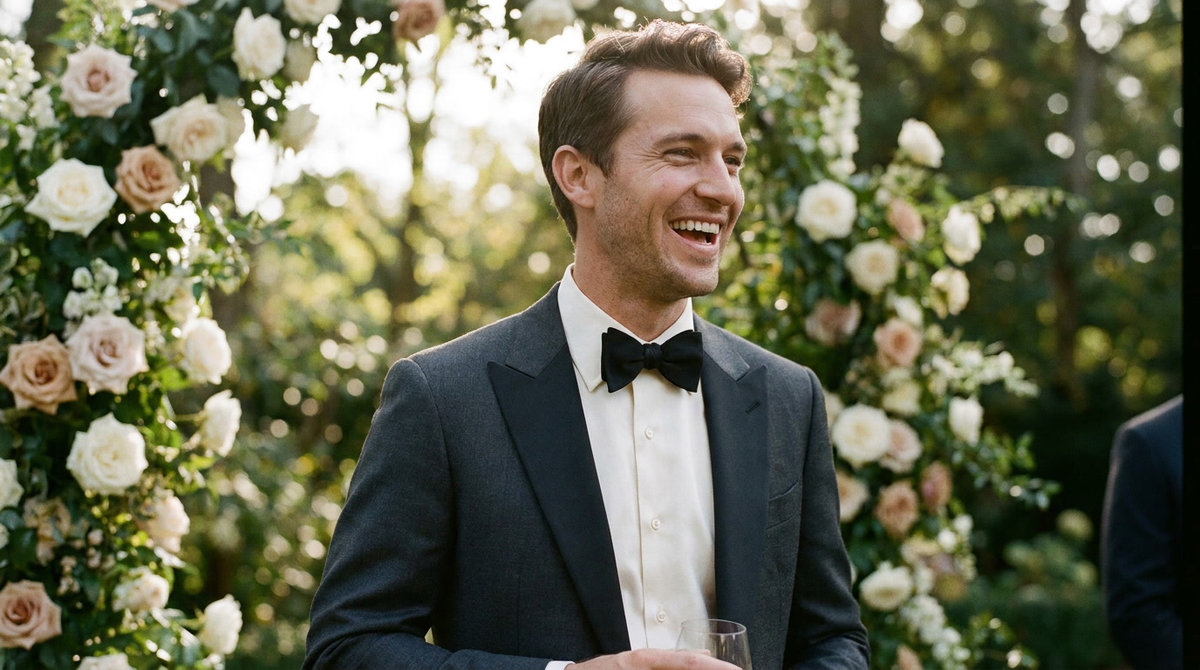
The Tuxedo Jacket: This is the heart of the outfit. It needs to be a proper dinner jacket, traditionally in black or a deep, rich midnight blue. The key feature is the satin-faced lapels, which come in two main styles: the soft, rounded shawl lapel or the sharp, angular peak lapel. Most classic single-breasted tuxedo jackets have a single button and a ventless back for the cleanest, most streamlined silhouette. A quality interior lining is also crucial for a proper drape.
-
The Tuxedo Trousers: Your trousers must be made from the same fabric as the jacket. The dead giveaway of these specific men's pants is the single stripe of satin running down the outside of each leg, which perfectly matches the jacket's lapels and ties the whole two-piece tuxedo together.
-
The Formal Shirt: A crisp, brilliant white dress shirt is mandatory. For true black tie, look for a shirt with either a pleated front or a more textured piqué bib. Crucially, it must have French cuffs, which are designed to be fastened with cufflinks.
It’s these details, like the satin trim on the lapels and trousers, that fundamentally separate a two-piece tuxedo from a regular two-piece business suit. For a closer look at what sets them apart, it's worth understanding the core differences between a tuxedo and a suit.
Completing the Core Ensemble
With the main pieces of your two-piece tuxedo in place, the accessories are what finish the look. They might seem small, but in a dress code this precise, they are just as critical as the jacket and trousers.
Black tie isn't about standing out with loud colors or wild patterns. The goal is a timeless, refined look built on precision and quality. The elegance comes from the classic uniformity and the subtle details of each component, from the fabric-covered buttons to the sleek lining.
The final pieces of the puzzle are simple but absolutely vital:
- The Bow Tie: The only choice here is a black, self-tied bow tie, preferably made of silk. A pre-tied version just doesn't have the same character or authenticity that this level of formality demands.
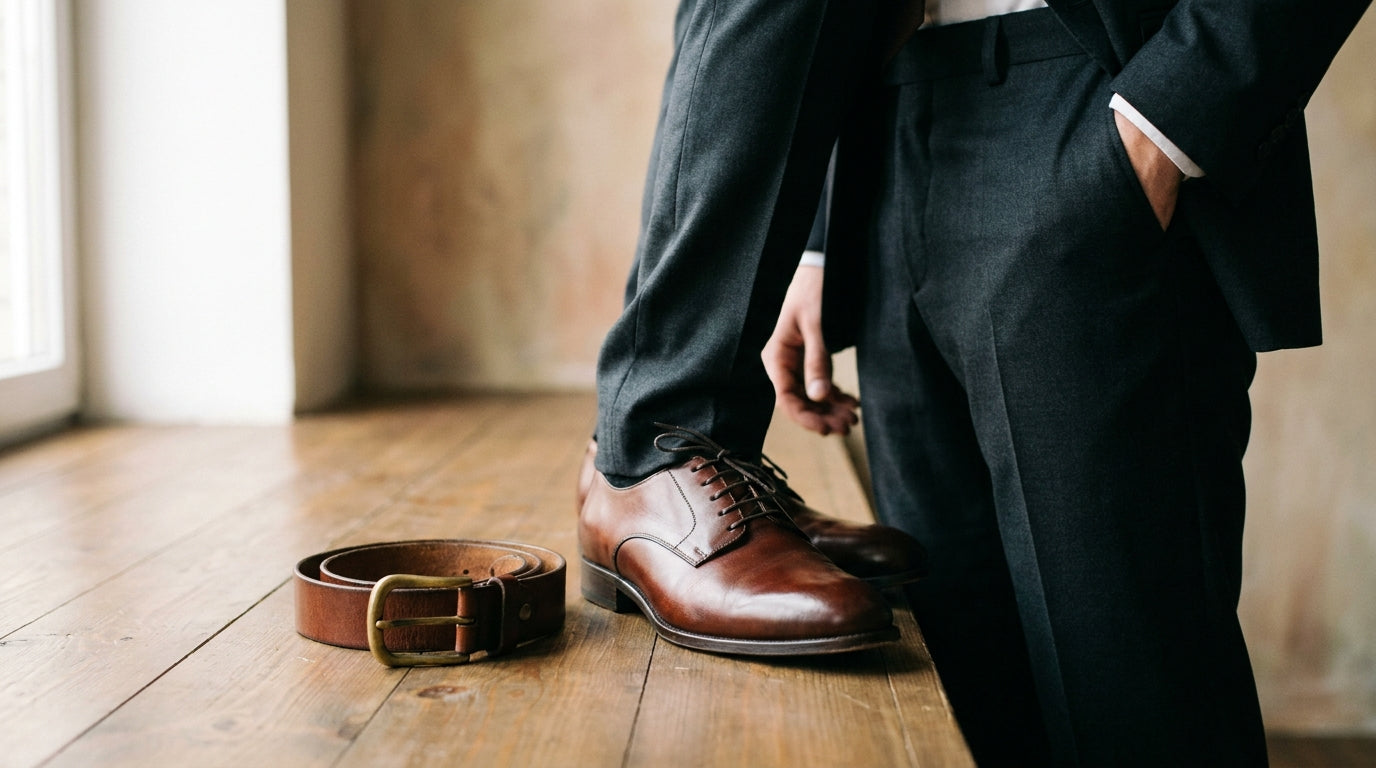
- The Footwear: Shoes must be black, clean, and polished to a high shine. Patent leather oxfords are the quintessential choice, offering a mirror-like finish that perfectly complements the formality of the two-piece tuxedo.
By sticking to these core components, you’re not just following rules - you’re participating in a tradition of style that honors the wedding and ensures you look your absolute best.
Shop Men's Tuxedos
Still deciding? The full Men's Tuxedos range is on our site, in the sizes we stock.
Shop the collection →Free shipping over $299 · Arrives in 2–5 business days · 15-day returns
Choosing the Right Tuxedo Jacket and Trousers

Shop now →

The tuxedo is the undisputed centerpiece of any black tie wedding look. It's so much more than just a fancy jacket and pants; it's a carefully constructed garment where every single detail - from the shape of the lapels to the satin-covered buttons and structured interior lining - works together to create an aura of timeless elegance.
Think of the tuxedo jacket as the command center for your entire outfit. It sets the tone, defines your silhouette, and it’s where you’ll make some of your biggest stylistic choices. Two elements, in particular, demand your attention right away: the lapels and the jacket style itself. Getting these right will shape just how formal and classic your appearance is.
Deciphering the Lapel Styles
The lapels are probably the most defining feature of a tuxedo jacket, and what truly sets it apart is their lustrous satin or grosgrain facing. This subtle sheen is what catches the evening light just right and instantly elevates the garment beyond a standard men's suit. You really have two main options here, each with its own distinct personality.
-
The Shawl Lapel: This is your most traditional, and arguably most elegant, choice. It has a smooth, continuous, rounded curve that flows from the collar right down to the button. This creates a soft, unbroken line that feels both sophisticated and effortlessly cool. A single-breasted tuxedo with a shawl lapel is the quintessential choice for old-world charm.
-
The Peak Lapel: Sharper and more structured, the peak lapel points aggressively upwards toward the shoulder. This style creates a powerful V-shape across the torso, projecting an air of confidence and authority. A peak lapel tuxedo jacket, whether you go single or double-breasted, makes a strong and highly formal statement.
Choosing between them really comes down to personal taste. The shawl lapel gives you a timeless, refined look, while the peak lapel offers a bolder, more contemporary edge while still being perfectly appropriate for black tie.
Single-Breasted vs Double-Breasted Jackets
Next up is the jacket's closure. This choice has a huge impact on the overall silhouette of your men's tuxedo and how you’ll wear it throughout the night. By far the most common and versatile option is the single-breasted, one-button tuxedo jacket. Its clean lines and deep "V" opening are flattering on almost every body type, making it the modern standard for black tie wedding attire.
For a more commanding and sartorial presence, you might consider the double-breasted tuxedo jacket. This style has overlapping front panels and two columns of buttons (though you’ll only fasten one or two). It absolutely must stay buttoned to maintain its sharp, structured shape, which makes it a slightly more formal and declarative choice.
Essential Construction and Fabric Details
Beyond the big style decisions, it’s the smaller details of your mens suit jacket that signal true quality. A well-made tuxedo should have fabric-covered buttons, usually in the same satin as the lapels. Traditionally, a proper tuxedo jacket is also ventless, meaning it has no slit in the back. This is key to creating the sleekest possible silhouette. A quality lining is also crucial, not just for comfort, but to give the jacket structure so it drapes correctly over your frame.
A tuxedo's fabric dictates its feel and formality. Wool barathea is the classic choice for a two-piece tuxedo, known for its superb drape and subtle texture. For a bolder statement, a plush velvet dinner jacket offers a rich, luxurious alternative.
Finally, let's not forget the trousers - the unsung heroes of the outfit. Proper black tie trousers are designed for a clean, uninterrupted line. They should always be flat-fronted (no pleats) and feature that signature satin stripe down the outer leg, which needs to perfectly match the jacket's lapels. These specific details are non-negotiable; they ensure your entire two-piece tuxedo looks cohesive and honors the dress code.
Assembling the Complete Black Tie Look

Once you've nailed down the perfect tuxedo jacket and trousers, it's time to build out the rest of the look. This is where the real artistry comes in. Each piece you add is crucial for hitting that formal black tie standard, turning a simple two-piece tuxedo into a complete, sophisticated statement. It’s really all in the details.
The foundation of it all is the formal shirt, which acts as the crisp white canvas for everything else. Your standard office button-down just won't cut it here; this occasion demands a shirt built for pure elegance. This is what sets the stage for the bow tie and cufflinks that are absolutely essential to the look.
The Formal Shirt and Bow Tie
When it comes to the front of your shirt, you have two classic choices: the pleated front or the more textured piqué bib front. A pleated shirt, with its vertical pleats running down either side of the buttons, offers a timeless, traditional feel. The piqué bib, on the other hand, features a stiff, woven panel on the front that creates a clean, starkly formal aesthetic.
No matter which style you pick, one detail is non-negotiable: French cuffs. These are the longer cuffs that fold back on themselves and are fastened with cufflinks, adding that essential touch of metallic flash. For a deeper dive, check out our guide on how to pair your tuxedo, bow tie, and shirt for the perfect combination.
Next up is the bow tie - the very namesake of the dress code. For a true black tie event, the only real option is a black silk self-tied bow tie. A pre-tied, clip-on version just doesn't have the same character or the slight, charming imperfection of one you've tied yourself. Learning how is a rite of passage, and the result should look proportional to your face - not too big, not too small.
Covering the Waist
This is an often overlooked detail, but it's absolutely critical. You need something to cover the waistband of your trousers, concealing any bunching from your shirt and creating a seamless line from your chest to your legs. You have two classic options, but you can only pick one.
The rule is simple: wear a cummerbund or a waistcoat, but never both. And never neither. An uncovered waist beneath a single-breasted tuxedo jacket is a significant style misstep.
Here are your choices:
- The Cummerbund: This pleated silk sash wraps around your waist. Always wear it with the pleats facing up - a holdover from when they were used to catch ticket stubs. It gives you a classic, streamlined silhouette.
- The Waistcoat: A black tie waistcoat (or vest) is cut lower and wider than what you’d find in a three-piece suit, usually in a "U" or "V" shape. This cut is designed to show off more of the formal shirt front and is often seen as a slightly more formal, commanding choice.
Footwear and Finishing Touches
Finally, let's ground the entire look with the right shoes and accessories. The footwear for black tie is simple: they must be black, sleek, and polished to a high shine. The undisputed champion is the patent leather oxford, with a mirror-like finish made for evening affairs. A pair of elegant black velvet slippers can also work as a more fashion-forward alternative.
The finishing touches are your last chance to show you know what you’re doing.
- Cufflinks and Studs: Go for classic, understated cufflinks and matching shirt studs. Simple designs in silver, gold, or mother-of-pearl are always a safe bet.
- Pocket Square: A simple white silk or linen pocket square is the only correct choice. Fold it into a clean, straight line (a presidential fold) for a final touch of crispness.
- Braces (Suspenders):: Your trousers should be held up with braces that attach to buttons on the inside of the waistband. Clip-on suspenders are far too informal for this level of dress, so never, ever use them.
Why a Perfect Fit Is Non-Negotiable

Shop now →

Let's be blunt: you can have the most luxurious wool tuxedo with fine lining and silk-covered buttons, the slickest silk bow tie, and the shiniest patent leather shoes on the market, but if the fit is wrong, the whole look is a wash. It’s that simple.
A perfect fit is the absolute cornerstone of black tie. It’s what separates a man who looks sharp, confident, and put-together from one who just looks like he’s playing dress-up in a rented costume. An ill-fitting tuxedo - whether it’s a two-piece or a three-piece suit style - just looks sloppy and borrowed, completely defeating the purpose of formalwear.
On the flip side, a tuxedo tailored precisely to your body creates a clean, powerful silhouette that just radiates confidence. Think of it as an investment in how you present yourself. Whether you rent, buy, or go custom, nailing the fit is the one thing you can't afford to get wrong.
The Jacket Fit Checklist
The tuxedo jacket is the foundation of your entire outfit. How it drapes across your shoulders and chest sets the tone for everything else. Get these few checkpoints right, and you're well on your way.
- Shoulders: This is your first and most important stop. The seam where the sleeve joins the jacket body should sit exactly at the edge of your natural shoulder. If it hangs over, it’s too big. If it's pulling or feels tight, it's too small. No exceptions.
- Collar: Your jacket collar should rest smoothly against your shirt collar without a big space in between. There should be no significant gap at the back of your neck.
- Closure: When you fasten the single button on a single-breasted jacket, it should close easily. If you see a big, strained "X" shape pulling at the fabric, the jacket is too tight through the waist.
The whole point of a well-fitted tuxedo jacket is to create a flattering V-shape, making your shoulders look broader and your waist slimmer. It should feel comfortable, not like a straitjacket, but it should never look baggy.
Sleeve and Trouser Length
These two details are what really separate the pros from the amateurs. The right lengths create clean, uninterrupted lines and show that you've paid attention to the finer points of your look.
Sleeve Length One of the most common mistakes is a jacket sleeve that’s too long, swallowing the shirt cuff entirely. It looks clumsy and unfinished.
- The Rule: Your jacket sleeve should end so that about a quarter to a half-inch of your formal shirt's French cuff is showing.
- The Reason: That little band of white creates a sharp visual break, adds a pop of contrast, and gives you the perfect stage to show off a great pair of cufflinks.
Trouser Length Formal tuxedo trousers should create a clean, straight line all the way down to your shoes. The goal here is sleekness.
- The Ideal Break: For the sharpest, most modern silhouette, aim for your trousers to have no break. This means the hem just grazes the top of your shoes without any fabric bunching up.
- What to Avoid: Trousers that puddle around your ankles look messy and can make you look shorter. A very slight break might be acceptable for a more traditional style, but any more than that is a tailoring red flag.
Knowing these key fit points empowers you to walk into a fitting with confidence, ensuring your black tie attire makes you look and feel every bit the part.
Coordinating the Groom and Groomsmen Attire
Styling the wedding party for a black tie event is a lot like conducting an orchestra. You want a harmonious, elegant look where every person plays their part beautifully, but the groom - the conductor - is clearly the star of the show. The groomsmen should look absolutely sharp in their two-piece tuxedos, but their job is to subtly support and elevate the groom's look, not compete with it.
This coordination is what creates that polished, high-end feel you see in wedding magazines. When every tuxedo shares the same cut, fabric, and details, you create a powerful visual of unity and formality. It’s why sourcing the whole party’s attire from a single outfitter is such a game-changer; it guarantees that every little detail, from the lapel style to the jacket lining, is perfectly consistent.
Making the Groom Stand Out
Even with the strict guidelines of black tie, there are plenty of sophisticated ways for the groom to set himself apart without actually breaking the dress code. The trick is to be subtle. You’re not trying to make the groom look completely different, just give his tuxedo a unique touch that says, "I'm the one getting married."
Here are a few refined ways to pull this off:
- Jacket Style: One of the simplest and most effective moves is to switch up the tuxedo jacket. The groom could rock a commanding double-breasted jacket with peak lapels, while his groomsmen wear the classic single-breasted, one-button tuxedo.
- Lapel Choice: In the same vein, the groom might go for the timeless elegance of a rounded shawl lapel tuxedo. This small shift, with the groomsmen in sharp peak lapels, creates a subtle but clear visual hierarchy.
- Color Variation: For a more modern take, the groom could opt for a deep midnight blue two-piece tuxedo. This color looks even richer and darker than black under evening lights, giving him a distinctive look while the groomsmen hold down the classic black tuxedo tradition.
One of the biggest mistakes couples make is trying too hard to make the groom stand out. The goal is distinction, not distraction. A different waistcoat or a unique lapel style is all it takes to set the groom apart without throwing off the elegant, cohesive look of the wedding party.
Differentiating Through Accessories and Fabric
Accessories are another fantastic way to give the groom his own moment. These small details can add a layer of personal style and formality that makes a surprisingly big impact.
For instance, the groom could wear a classic low-cut waistcoat with his tuxedo, making it a three-piece ensemble, while leaving the groomsmen in traditional cummerbunds with their two-piece tuxedos. Another great play is for the groom to sport a distinct set of shirt studs and cufflinks - maybe something in mother-of-pearl or onyx - while the groomsmen wear simpler, matching sets.
Fabric can also create a stylish contrast. For a winter wedding, the groom might choose a luxe velvet dinner jacket, creating a rich textural difference against the groomsmen’s traditional wool two-piece tuxedos. It’s a move that’s both memorable and incredibly sharp. For more inspiration on mixing colors and fabrics, check out our guide on wedding suit color combinations.
In the end, it all comes down to a cohesive plan that makes the entire wedding party look unified and impeccable. And while nailing the black tie look is important, making sure everyone is on the same page about their duties is just as crucial for a smooth day - so understanding all wedding party roles and responsibilities is a must for everyone involved.
Shop the Look


Shop Men's Tuxedos
That is the shortlist. Every piece above lives in Men's Tuxedos, with sizes and prices in one place.
Shop the collection →Free shipping over $299 · Arrives in 2–5 business days · 15-day returns
Your Black Tie Wedding Attire Questions Answered
Even with a solid game plan, the finer points of black tie wedding attire for guys can leave you with some last-minute questions. We get it. To make sure you show up looking sharp and feeling confident, we’re tackling the most common uncertainties head-on.
Think of this as the final buff on your patent leather shoes - the small details that pull the entire look together. From the great suit-vs-tuxedo debate to the rules on accessories, these answers will lock in your black tie expertise.
Can I Wear a Black Suit Instead of a Tuxedo?
This is the number one question we hear, and for a strict black tie wedding, the answer is a hard no. While a "black tie optional" invite gives you a pass to wear a dark, beautifully tailored two-piece suit, a true black tie dress code demands a tuxedo. The difference is all in the details.
A classic men's tuxedo stands apart because of its satin details: the satin-faced lapels (peak or shawl), the satin-covered buttons, and that signature satin stripe running down the trouser leg. A black men's suit, no matter how high-quality, just doesn't have these formal elements. Arriving in a business suit for a true black tie affair is considered underdressing and can come across as disrespectful to the couple who chose a specific level of formality for their big day.
To really honor the occasion, the tuxedo is the only way to go. Whether you opt for a timeless single-breasted jacket with one button or a more commanding double-breasted tuxedo, that touch of satin is what makes it right for the moment.
What Are the Rules for a Cummerbund or Waistcoat?
When you're wearing a single-breasted tuxedo jacket, a waist covering is absolutely essential. It's not just for show; its job is to create a clean, unbroken line from your shirt to your trousers, smoothing out your silhouette. You have to wear one or the other - but never both at the same time.
-
The Cummerbund: This pleated silk sash is the classic choice. The most important rule? The pleats always face up. It's a throwback to when gentlemen used them to stash ticket stubs. A simple black silk cummerbund is the gold standard.
-
The Waistcoat: A formal black tie waistcoat is not the same as the vest from your three-piece suit. It’s cut much lower, usually in a deep "U" or "V" shape, specifically to show off the pleated front of your formal shirt. Many consider the waistcoat a slightly more formal, traditional pick.
Whichever you choose, it should be made from a material that matches the silk or satin on your bow tie and lapels. The choice is really about personal style, but skipping a waist covering altogether is a major style misstep.
Are Colored or Patterned Accessories Acceptable?
For a traditional black tie wedding, less is more. The whole point of the dress code is classic, elegant uniformity, not a chance to showcase your wildest personal style. That means your accessories should be simple, timeless, and correct.
Your bow tie, for example, must be a black silk, self-tied bow tie. Sure, a "creative black tie" event might be the place for a pop of color or a funky pattern, but a wedding isn't the right venue unless the invitation explicitly says so.
Likewise, your pocket square should be a crisp white linen or silk. The best way to wear it is in a simple, flat presidential fold that shows just a clean line of white above the pocket. The goal is to complement the sharp lines of your tuxedo, not to create a distraction. When in doubt, stick to the classics.
Should I Rent or Buy a Tuxedo for a Wedding?
This decision really comes down to how often you'll wear it and how much you value a perfect fit. Both renting and buying have their pros, but they cater to different needs.
Renting is a great, cost-effective option if you rarely attend formal events - maybe once every couple of years. The downside, however, is usually the fit and the quality of the fabric. Rental tuxedos are built to be durable and adjustable, not luxurious, and you'll likely end up with a fit that's just "good enough."
If you think you'll go to more than two black tie events in the next few years, buying a tuxedo is one of the smartest investments you can make for your wardrobe. The cost-per-wear drops dramatically, and you can't put a price on a flawless fit.
Owning your tuxedo means you can have it tailored perfectly to your body. A well-fitted tuxedo - one where the shoulders sit just right, the sleeves show the perfect amount of shirt cuff, and the trousers have a clean, sharp break - will make you look and feel a thousand times better than any rental. If you invest in a timeless style, like a black two-piece tuxedo with a peak lapel, it will be a reliable staple in your closet for years to come.
At VIOSSI, we believe every man deserves to look his absolute best for life's most important moments. Our collection of meticulously crafted tuxedos, formal shirts, and accessories is designed to provide a perfect fit and timeless style. Explore our selection to find the ideal ensemble for your next black tie wedding. https://viossi.com
| Brand | Price | Fit Options | Fabric | Shipping | Returns | Best For |
|---|---|---|---|---|---|---|
| VIOSSI | $189-$389 | Slim, Regular | Italian wool, linen, cotton blends | Free over $299, 2-5 days | 15-day returns | Best price-to-quality ratio for Italian-fabric suits |
| SuitSupply | $299-$699 | Slim, Regular, Modern | Wool, linen, cashmere blends | Free over $200 | 14-day returns (altered items excluded) | Wide brick-and-mortar presence, good MTM program |
| Indochino | $299-$599 | Made-to-measure only | Wool, poly blends | Free shipping, 4-6 week delivery | Alterations included, no cash refunds | Best for MTM budget option, long lead time |
| Bonobos | $298-$498 | Slim, Regular, Athletic | Poly-wool blends, stretch fabrics | Free over $98 | 60-day returns | Best athletic fit, no 3-piece or tuxedo options |
| Jos. A. Bank | $149-$499 (frequent 60% off sales) | Slim, Regular, Tailored | Poly-wool blends, wool | Free over $50 | 30-day returns | Constant BOGO sales - actual price often unclear |
Frequently Asked Questions
What is the best guy's guide to black tie wedding attire for guys?
The best choice depends on your occasion, body type, and personal style. When it comes to guy's guide to black tie wedding attire for guys, focus on quality fabric, proper fit, and versatility - pieces that work across multiple settings offer the best value.
How do I choose guy's guide to black tie wedding attire for guys?
Start by identifying your primary use case - formal, business casual, or everyday wear. Then consider fit (always prioritize this), fabric quality, and color. For guy's guide to black tie wedding attire for guys, neutral tones tend to be the most versatile starting point.
Why choose Guy's guide to black tie wedding attire for guys?
A well-chosen guy's guide to black tie wedding attire for guys adds polish and confidence to your appearance. Investing in quality over quantity means fewer but better pieces that last longer and look sharper - a core principle of a refined wardrobe.